Tag: frontline workforce

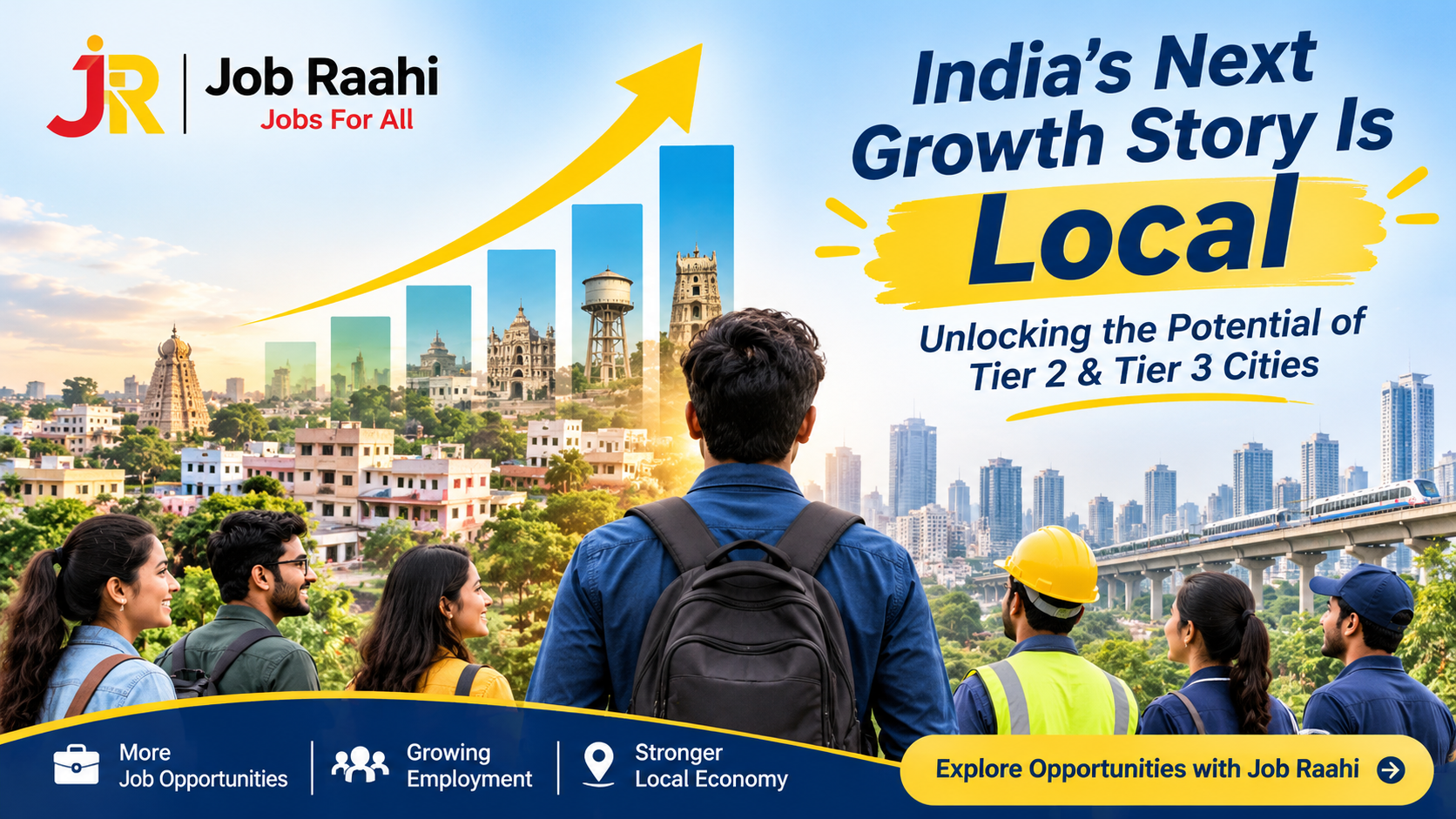
  • India’s Next Growth Story Is Local: The Untapped Potential of Tier 2 and Tier 3 Cities

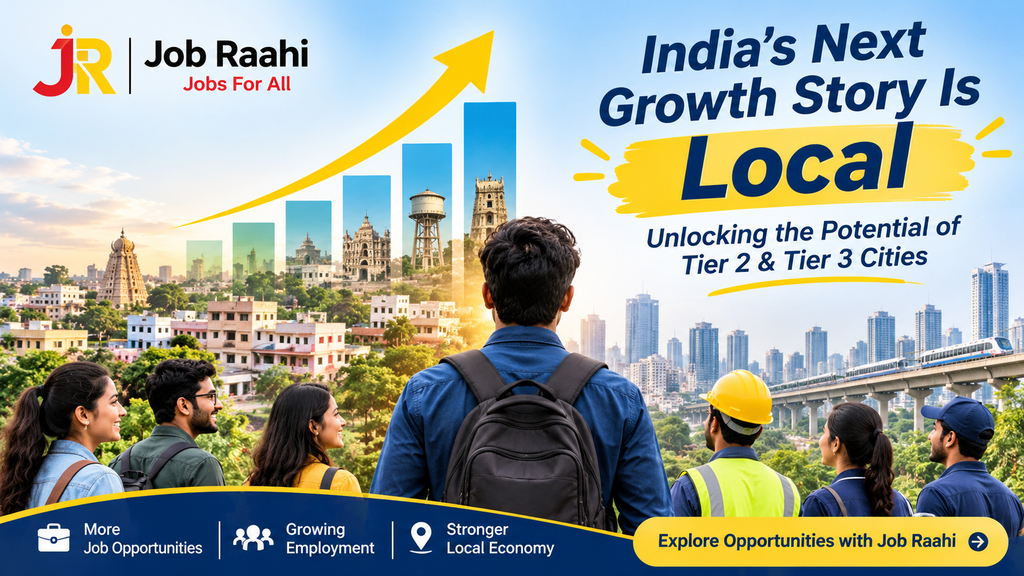
    India’s Next Growth Story Is Local: The Untapped Potential of Tier 2 and Tier 3 Cities

    Table of Contents

    1. Why Are Tier 2 and Tier 3 Cities Gaining Attention?
    2. What Makes These Cities Attractive for Business Growth?
    3. Industries Creating New Opportunities Beyond Metros
    4. The Biggest Opportunity: India’s Local Workforce
    5. Challenges That Still Need Attention
    6. How Businesses Can Unlock the Potential of Smaller Cities
    7. What This Growth Means for Job Seekers
    8. India’s Next Opportunity May Be Closer Than You Think

    For years, India’s biggest metropolitan cities have attracted businesses, investments and job seekers. Cities such as Delhi, Mumbai, Bengaluru and Hyderabad have become familiar destinations for people looking to build their careers.

    But India’s growth story is no longer limited to these major urban centres.

    Look beyond the metros, and a different picture begins to emerge. Cities such as Indore, Coimbatore, Jaipur, Lucknow, Surat, Nagpur, Bhubaneswar and Guwahati are developing stronger business ecosystems, attracting investments and creating employment opportunities.

    These cities are not simply alternatives to metropolitan areas. They are becoming important contributors to India’s economic development.

    The real question is no longer whether smaller cities have potential. It is whether businesses and job seekers are ready to recognise and make use of it.

    1. Why Are Tier 2 and Tier 3 Cities Gaining Attention?

    India’s urban growth is becoming more geographically distributed.

    Businesses are exploring locations beyond traditional metropolitan markets because smaller cities offer opportunities to expand operations, reach new customers and access local talent.

    The Government of India’s Economic Survey 2025–26 highlights the expansion of manufacturing activity beyond metropolitan cities. It points to advantages such as affordable land, lower real estate and wage costs, and proximity to raw materials.

    This shift matters because when businesses expand into a new city, they create demand beyond just a few specialised positions.

    They need people for production, warehouse operations, transportation, retail, sales, customer support, maintenance and administration.

    That means economic expansion can create opportunities for people with different educational qualifications and experience levels.

    2. What Makes These Cities Attractive for Business Growth?

    There is no single reason behind the growing interest in smaller cities. Several factors are working together.

    A. More Accessible Operating Costs

    Compared with many large metropolitan markets, some Tier 2 and Tier 3 locations offer more affordable commercial space, land and operating costs.

    For businesses looking to establish warehouses, manufacturing units, service centres or retail operations, this can make expansion more practical.

    B. Growing Infrastructure

    Road connectivity, industrial corridors, logistics facilities, airports and digital infrastructure are improving across several smaller cities.

    Better connectivity makes it easier for businesses to transport goods, serve customers and manage operations across different locations.

    C. Expanding Local Markets

    Smaller cities are also becoming important consumer markets.

    As incomes, digital access and purchasing preferences change, demand for retail, e-commerce, financial services, healthcare and other services can grow.

    Businesses that enter these markets can build stronger regional customer relationships.

    D. Availability of Local Talent

    Every city has people looking for employment, including fresh graduates, ITI students, diploma holders, semi-skilled workers and experienced frontline employees.

    Hiring locally can help companies reach candidates who already understand the region, language and customer environment.

    3. Industries Creating New Opportunities Beyond Metros

    The potential of smaller cities becomes clearer when we look at the industries expanding across them.

    Manufacturing and Industrial Operations

    Manufacturing is one of the important drivers of employment beyond metros.

    Industrial clusters and production facilities require machine operators, quality assistants, technicians, helpers, packaging staff and maintenance workers.

    Cities such as Rajkot, Coimbatore, Belagavi and Vadodara have established or emerging manufacturing ecosystems.

    Logistics and Warehousing

    The growth of e-commerce, organised retail and regional distribution networks is increasing the importance of logistics infrastructure.

    Warehouses, fulfilment centres and distribution facilities create demand for:

    • Pickers and packers
    • Warehouse associates
    • Inventory assistants
    • Dispatch coordinators
    • Delivery executives
    • Loading and unloading staff

    As supply chains expand into smaller markets, these roles can become important sources of local employment.

    Retail and Consumer Services

    Growing consumer markets create opportunities for retail stores, supermarkets, electronics outlets, restaurants and service businesses.

    This generates demand for store associates, sales executives, cashiers, customer support staff and store operations teams.

    Local-language communication and familiarity with customer preferences can be valuable advantages in these roles.

    Healthcare and Hospitality

    Healthcare facilities, diagnostic centres, hotels, restaurants and other service businesses also support employment growth.

    These industries require people across different functions, including facility operations, housekeeping, reception, food services, customer assistance and technical support.

    Technology and Digital Services

    Technology-related employment is also expanding beyond traditional IT hubs.

    Coimbatore, Indore, Jaipur, Kochi and other cities are attracting attention for IT services, digital operations and business support functions.

    The opportunity is not limited to software development. It can also include customer support, data operations, technical assistance and administrative roles.
    Tier 2 & 3 cities

    4. The Biggest Opportunity: India’s Local Workforce

    Infrastructure and investment are important, but people are what make economic growth sustainable.

    Tier 2 and Tier 3 cities have large populations of young people who want to build careers without necessarily moving to a major metropolitan city.

    Consider three examples:

    An ITI graduate in a smaller city: A candidate with electrical training may find opportunities in manufacturing, maintenance, solar installation or technical services.

    A Class 12 fresher: Someone who has recently completed school may explore retail, sales, customer support, delivery or warehouse operations.

    An experienced frontline worker: A person with experience in logistics or retail may be able to find a new opportunity closer to home as local businesses expand.

    These examples show why smaller cities should not be viewed only as sources of inexpensive labour.

    They are talent markets with different skills, educational backgrounds, languages and work experiences.

    For employers, recognising this diversity can create access to a much wider candidate base.

    For job seekers, it can mean more opportunities to build a career without relocating immediately.

    5. Challenges That Still Need Attention

    Despite their potential, smaller cities face challenges that businesses and policymakers must address.

    Skill-to-Job Mismatch

    Candidates may have educational qualifications but lack the practical skills required for specific roles.

    Industry-aligned training, apprenticeships and workplace learning can help bridge this gap.

    Limited Awareness of Opportunities

    Many job seekers do not know which companies are hiring in their own cities or what qualifications different roles require.

    Better access to reliable job information can help candidates make informed decisions.

    Infrastructure Gaps

    Not every smaller city has the same level of transport, connectivity, industrial infrastructure or access to support services.

    Companies must evaluate local conditions before expanding operations.

    Recruitment Reach

    Employers entering new markets may not have established recruitment networks or local hiring partners.

    They need ways to connect with suitable candidates, communicate job requirements and manage applications efficiently.

    Addressing these challenges is essential to converting potential into sustainable employment.

    6. How Businesses Can Unlock the Potential of Smaller Cities

    Companies that want to expand beyond major metros need to think beyond simply opening a new office or facility.

    They should build a local employment strategy.

    Here are five practical steps:

    1. Understand local demand: Identify which roles are required and whether hiring needs are seasonal, recurring or long-term.
    2. Explore local talent sources: Connect with ITIs, colleges, training institutes and relevant employment platforms.
    3. Design location-specific recruitment: Consider language, commute, shift timings and local candidate preferences.
    4. Invest in practical training: Provide role-specific training to help candidates meet workplace expectations.
    5. Build a wider hiring network: Use digital platforms and local outreach to reach candidates across different neighbourhoods and surrounding towns.

    A local hiring strategy can help companies expand their reach while creating stronger connections with the communities in which they operate.

    7. What This Growth Means for Job Seekers

    For candidates living in smaller cities, this changing employment landscape is worth paying attention to.

    You do not necessarily need to relocate to Delhi, Mumbai or Bengaluru to begin your professional journey.

    Depending on your qualifications and interests, you can explore opportunities in:

    • Manufacturing and production
    • Retail and sales
    • Logistics and warehousing
    • Delivery and field operations
    • Customer support
    • Hospitality
    • Technical services
    • Digital and business support operations

    Start by understanding what industries operate in and around your city.

    Identify the skills required for their jobs, prepare your resume and explore relevant vacancies regularly.

    If you are a fresher, do not ignore entry-level positions. Your first job can help you gain practical experience, understand workplace expectations and develop skills for future opportunities.

    8. India’s Next Opportunity May Be Closer Than You Think

    India’s Tier 2 and Tier 3 cities have the potential to become important centres of business activity and employment.

    Their growth can benefit companies looking to expand, job seekers searching for opportunities and communities looking for stronger local economies.

    However, this potential will only become meaningful when investment, infrastructure, skills and employment opportunities grow together.

    At Job Raahi, we believe access to employment opportunities should not be limited by geography.

    Our platform connects job seekers with employers across industries, helping freshers and frontline candidates discover relevant opportunities.

    Whether you live in a major city or a smaller town, your next career opportunity deserves to be within reach.

    Your city has potential. Your skills have value. Your journey can start right where you are.

    Explore opportunities with Job Raahi and take your next step towards a better career.

  • Job Raahi: Making Job Opportunities More Accessible for Everyone

    Job Raahi: Making Job Opportunities More Accessible for Everyone

    Table of Contents

    1. Why Does Finding the Right Job Still Feel Difficult?
    2. What Is Job Raahi?
    3. Who Can Explore Opportunities on Job Raahi?
    4. How Does Job Raahi Make Job Searching Simpler?
    5. How Job Raahi Supports Employers
    6. Why Accessibility Matters in the Future of Employment
    7. Take Your Next Step with Job Raahi

    A job is more than a monthly salary. It can mean financial independence, a fresh beginning, greater confidence and an opportunity to build a better future.

    Yet, finding the right job is not always easy.

    Many candidates struggle to discover openings in their preferred locations. Freshers may not know where to begin, while frontline workers may find it difficult to identify opportunities that match their experience and skills. At the same time, employers often face challenges reaching suitable candidates, especially when they need to hire across multiple locations.

    This raises an important question: Can technology make the connection between job seekers and employers simpler?

    This is the idea behind Job Raahi — a digital employment platform designed to connect job seekers with employers and make job opportunities more accessible.

    1. Why Does Finding the Right Job Still Feel Difficult?

    The job market has changed significantly. People can now search for opportunities through websites, mobile applications, social media and professional networks.

    However, access to information does not automatically make the job-search process easier.

    Consider a fresher who has completed Class 12 or an ITI course. They may have the required skills but might not know which companies are hiring or where to find suitable openings.

    Similarly, a warehouse associate looking for a new opportunity may want a job closer to home but struggle to identify relevant vacancies.

    Employers face a different challenge. Businesses in retail, logistics, hospitality, manufacturing and other industries regularly need frontline employees. Reaching the right candidates at the right location and time can be difficult.

    The problem is not always a lack of opportunities or talent. Sometimes, it is the gap between the two.

    2. What Is Job Raahi?

    Job Raahi is a digital job platform that connects job seekers with employment opportunities across India.

    The platform focuses on making job discovery accessible to people from different educational and professional backgrounds, including freshers, blue-collar workers, grey-collar workers and frontline employees.

    Instead of limiting job opportunities to a particular qualification or professional category, Job Raahi aims to help people explore roles that match their profiles and requirements.

    The platform also helps employers connect with candidates through structured candidate information and digital hiring tools.

    Its central idea is simple: make job opportunities easier to discover and hiring easier to manage.

    3. Who Can Explore Opportunities on Job Raahi?

    A career journey can begin at different stages of life. Job Raahi is designed to serve candidates with different levels of education, skills and experience.

    Freshers Starting Their Careers

    If you have recently completed school, college, ITI or a diploma, finding your first job can feel confusing.

    Job Raahi helps freshers explore entry-level opportunities and identify openings that match their qualifications and interests.

    Blue-Collar and Frontline Workers

    People working in delivery, warehousing, retail, field operations and other frontline roles can explore opportunities relevant to their experience and location.

    Grey-Collar and Semi-Skilled Workers

    Candidates with practical knowledge, technical abilities or supervisory experience can also explore relevant employment opportunities.

    Candidates Looking for a Career Change

    Sometimes, people want to move to a different company, location or role. Exploring new vacancies can help them understand what opportunities are available and what employers require.

    4. How Does Job Raahi Make Job Searching Simpler?

    A useful job platform should do more than display vacancies. It should help candidates understand opportunities and take action.

    Here are some features of the Job Raahi experience.

    Explore Jobs Near You

    Location matters when searching for a job. A suitable opportunity may be less useful if it involves an impractical daily commute.

    Job Raahi allows candidates to explore job openings and discover opportunities relevant to their locations.

    Check Important Job Details

    Job seekers should understand what they are applying for before submitting an application.

    The Job Raahi website highlights important information such as available pay and application deadlines on job listings, helping candidates make more informed choices.

    Browse Before Signing In

    Candidates can browse available job openings without signing in first. They can sign in when they are ready to apply.

    This makes it easier to explore opportunities before deciding which roles are worth pursuing.

    Use the Mobile App

    A smartphone can make job searching more convenient, especially for candidates who prefer accessing opportunities on the go.

    With the Job Raahi mobile app, candidates can discover opportunities, save roles and apply more conveniently from their phones.

    Learn While You Grow

    Finding a job is one part of building a career. Developing workplace skills is equally important.

    Job Raahi also provides access to short, practical learning content through its learning experience, helping candidates understand job requirements and improve their employability.

    Job Raahi-Jobs for all

    5. How Job Raahi Supports Employers

    Job seekers are only one side of the employment ecosystem. Employers also need efficient ways to reach suitable candidates.

    Businesses across industries often recruit for roles such as:

    • Warehouse Associates
    • Pickers and Packers
    • Retail Associates
    • Delivery Executives
    • Field Sales Executives
    • Customer Support Executives
    • Helpers and Operations Staff
    • Technical and Support Roles

    For employers, Job Raahi offers a digital channel to share vacancies and reach candidates across relevant employment markets.

    The platform’s employer-facing approach focuses on structured candidate information and helping companies connect with frontline and entry-level talent.

    This can be particularly useful for businesses with recurring hiring requirements or vacancies across multiple locations.

    Hiring Beyond Traditional Talent Pools

    Not every suitable candidate comes from a large city or a conventional recruitment channel.

    Many capable individuals live in smaller towns and emerging employment markets. Some have formal qualifications, while others have developed practical skills through work experience or vocational training.

    Expanding recruitment reach can help employers discover candidates they might otherwise overlook.

    Job Raahi aims to make this connection easier by bringing job seekers and employers onto a common digital platform.

    6. Why Accessibility Matters in the Future of Employment

    The future of employment should create opportunities for people with different educational backgrounds, professional experiences and skill levels.

    A person who has completed an ITI course may be interested in technical work. Someone who has completed Class 12 may be looking for an entry-level role in retail or operations. Another candidate may already have experience in logistics and want to move to a better opportunity.

    Each person has different requirements.

    A more accessible employment ecosystem should help candidates discover relevant vacancies, understand job expectations and apply with greater confidence.

    It should also help employers look beyond narrow recruitment channels and reach people who have the skills and willingness to contribute.

    Technology can play an important role in reducing this gap. But the real value comes from connecting the right opportunity with the right person.

    7. Take Your Next Step with Job Raahi

    Whether you are searching for your first job, exploring a new industry or looking for your next career opportunity, getting started is important.

    With Job Raahi, you can explore available job openings, review important vacancy details and find opportunities that match your profile.

    If you are an employer, you can also explore Job Raahi as an additional channel to share vacancies and connect with frontline and entry-level candidates.

    A better employment journey begins when opportunities become easier to find and access.

    Find. Apply. Grow.Explore your next opportunity with Job Raahi today.
    Visit www.jobraahi.com and take the next step towards your career.

  • Frontline Workforce Migration in India: Why Workers Move and What Employers Need to Know

    Frontline Workforce Migration in India: Why Workers Move and What Employers Need to Know

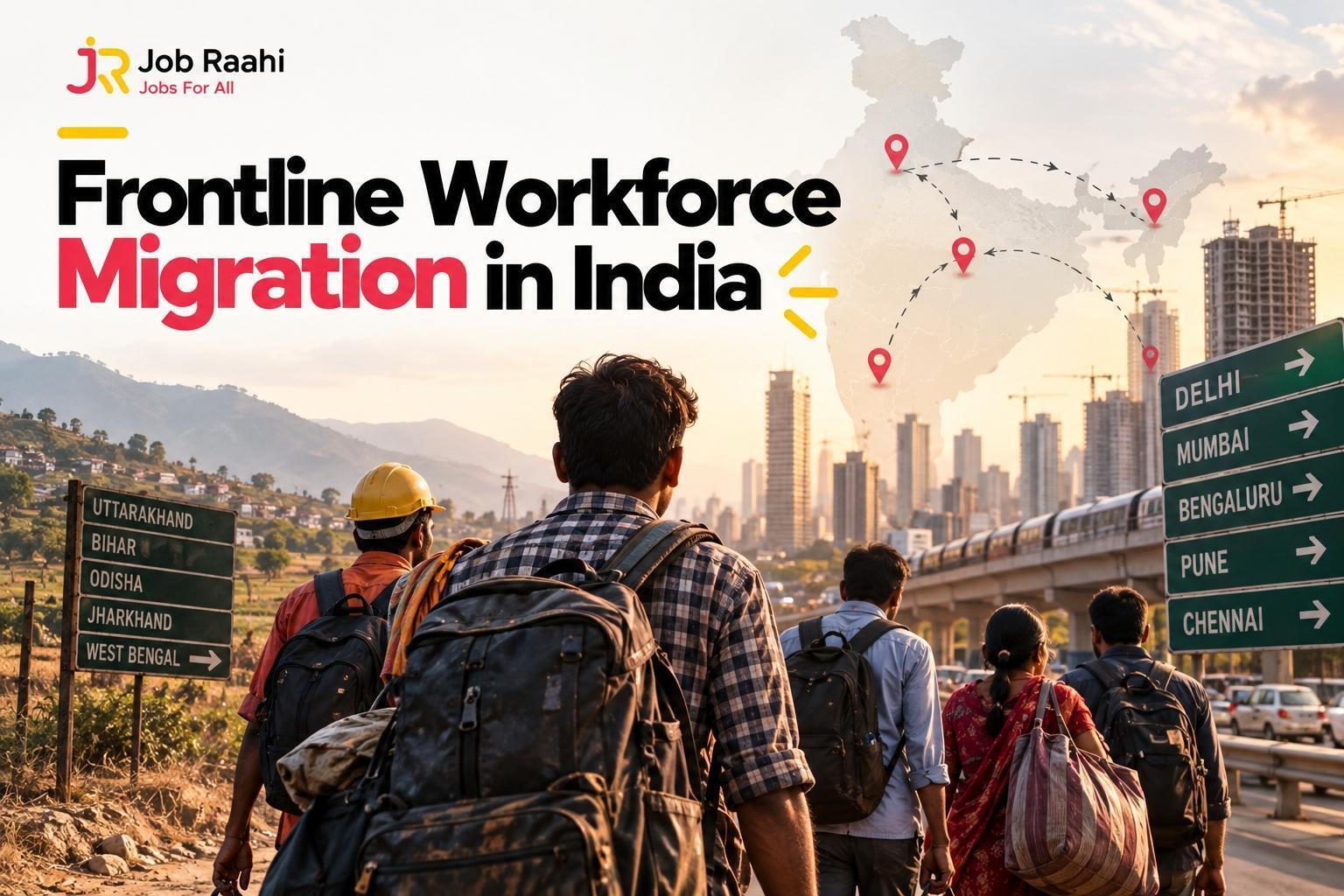
    India’s frontline workforce is constantly on the move. Workers relocate from villages to cities, travel between states for employment, move closer to industrial hubs and return to their hometowns when family or seasonal needs arise.

    For employers, this movement creates both an opportunity and a challenge. Migration expands the available talent pool, helping businesses find workers beyond their immediate location. At the same time, it can affect joining rates, workforce availability, employee retention and recruitment planning.

    From manufacturing plants and construction sites to facility management, retail and hospitality, understanding workforce migration is becoming increasingly important for employers that depend on frontline and high-volume hiring.

    But how much migration takes place in India, why do frontline workers move, and how can employers adapt their recruitment strategies?

    1. What Is Frontline Workforce Migration?

    Frontline workforce migration refers to workers moving from one location to another to find employment, improve their earnings or access better working opportunities.

    In India, this movement takes several forms.

    • Rural-to-urban migration: Workers move from villages or smaller towns to cities for better access to employment.
    • Inter-state migration: Workers move from one state to another to work in factories, construction, hospitality, services and other industries.
    • Seasonal migration: Workers relocate temporarily to take up work during particular periods of the year.
    • Circular migration: Workers move between their place of origin and their work location, often returning home periodically.
    • Local and regional migration: Workers shift between nearby districts, towns or industrial clusters to access more convenient or better-paying jobs.

    These categories can overlap. For example, a worker may migrate from Bihar to an industrial area in Haryana, work there for several months and return home before moving again for another opportunity.

    For employers, understanding these patterns is important because the workforce available at a particular location may change over time.

    2. How Much Workforce Migration Happens in India?

    India has a substantial history of internal migration, including migration for employment. However, there is no single current figure that accurately measures all frontline workers who migrate for jobs today.

    One important official reference is Census 2011. In a parliamentary response published in July 2023, the Ministry of Labour and Employment cited Census 2011 data reporting approximately 4.14 crore inter-state migrant workers in India. This is a historical census-based figure, not a current 2026 estimate and not a count exclusively of frontline workers. Source: Press Information Bureau, Government of India.

    The Census also provides detailed tables on migration by previous residence, duration of residence and reason for migration. These are useful for understanding movement patterns, but they should not be treated as a real-time count of workers available for hiring. Source: Census of India.

    What does this mean for employers?

    The key takeaway is not that every frontline vacancy can be filled through migrant labour. Rather, employers should recognise that their potential workforce may extend beyond the city or district where a facility is located.

    A manufacturing unit in an industrial cluster, for instance, may attract candidates from nearby districts as well as workers who have moved from other states. The mix will depend on the job, pay, accommodation, transport, local opportunities and individual circumstances.

    Employers should therefore evaluate migration patterns alongside local candidate availability, rather than assuming that recruitment must rely entirely on either local or migrant workers.

    3. Why Do Frontline Workers Migrate for Jobs?

    Workers rarely move for just one reason. Employment opportunities, family circumstances, living costs and the availability of suitable work can all influence their decisions.

    A. Better earning opportunities

    Workers may move to locations where they expect higher take-home earnings, more regular work or better opportunities to earn overtime and incentives.

    However, higher gross wages do not always translate into higher savings. Rent, food, commuting and travel home can reduce the financial benefit of relocating.

    B. Limited local employment options

    Some smaller towns and rural areas may offer fewer opportunities in particular occupations or industries. Workers with manufacturing, machine-operation, technical, security, housekeeping or hospitality skills may relocate to areas where employers need those capabilities.

    C. Industrial and infrastructure growth

    Factories, construction projects, industrial parks, commercial facilities and new business operations can attract workers to specific locations.

    When several employers recruit from the same catchment area, competition for candidates may increase, particularly for roles that require similar skills and offer comparable wages.

    D. Seasonal demand

    Certain businesses need additional staff during festive periods, tourism peaks, harvest-related activities or major production cycles.

    Workers may temporarily relocate to access these opportunities. Some return to their home locations when demand declines, while others continue working elsewhere.

    E. Family and personal circumstances

    Migration decisions are not always driven by wages. Workers may move to join family members, return home to provide care, respond to changes in household circumstances or seek employment closer to their families.

    Employers that understand these factors can design more realistic recruitment and retention practices.

    4. Which Industries Depend on Migrant Workers?

    The importance of migration differs by region, occupation and employer. Several frontline-intensive industries may recruit workers from outside their immediate hiring location.

    IndustryExamples of frontline rolesHow migration can affect hiring
    ManufacturingMachine operators, production workers, assemblers, packersPlants may need to recruit beyond the immediate industrial area
    ConstructionSite workers, helpers, skilled tradespeopleWorkforce availability may change with project locations and timelines
    Facility managementHousekeeping staff, security personnel, maintenance workersEmployers may need local or regional recruitment across multiple sites
    Warehousing and logisticsWarehouse associates, loaders, sortersDemand can rise around new facilities and peak business periods
    RetailStore associates, sales staff, stock handlersLocal availability and commuting distance can influence joining
    HospitalityHousekeeping, kitchen assistants, service staffTourism, events and seasonal demand may change staffing needs

    This table describes potential workforce patterns, not a ranking of industries by the number of migrant workers. Employers should validate the situation in their own locations before making staffing decisions.

    5. What Challenges Does Migration Create for Employers?

    Migration can expand the candidate pool, but it also introduces practical considerations that recruitment teams need to plan for.

    A. Uncertain joining rates

    A candidate may accept an offer but later reconsider because of relocation costs, accommodation concerns, family responsibilities or another opportunity closer to home.

    This makes it important to confirm joining intent and explain employment conditions before the candidate travels.

    B. Higher early-tenure attrition

    Workers who underestimate living expenses, travel time or the difficulty of living away from home may leave soon after joining.

    Employers should investigate whether early exits are linked to relocation challenges, job expectations, pay, supervision or working conditions rather than assuming migration itself is the cause.

    C. Accommodation and transportation

    For workers moving from another region, the availability and cost of safe accommodation and reliable transport can influence whether a job is practical.

    Where feasible, employers can provide accommodation, transport support or clear information about nearby housing and commuting options.

    D. Language and communication barriers

    Workers recruited from different regions may have different language preferences. Safety instructions, payroll explanations, workplace rules and grievance channels must be understandable to everyone.

    Using appropriate languages and visual instructions can improve communication and help new employees settle into the workplace.

    E. Recruitment competition

    Employers operating in the same industrial cluster may compete for similar workers. When candidates have several choices, unclear job information, slow hiring decisions or unreliable joining arrangements can make an employer less attractive.

    6. How Can Employers Adapt Their Hiring Strategies?

    The solution is not to avoid migrant hiring. It is to build recruitment processes that account for worker mobility and individual needs.

    1. Map the workforce catchment area

    Identify where successful employees currently live and where new hires have come from. Track commuting distances, transport options and the locations producing reliable joining and retention outcomes.

    This helps recruiters decide whether to prioritise nearby communities, neighbouring districts or a wider regional candidate pool.

    2. Be transparent about the job

    Before candidates accept an offer, explain the salary, take-home pay, shifts, weekly offs, overtime arrangements, job responsibilities, location and any deductions.

    For candidates relocating from another state, also explain accommodation availability, transport arrangements and the expected joining process.

    3. Reduce relocation friction

    Where business needs justify it, employers can explore transport support, temporary accommodation, joining assistance or partnerships with suitable accommodation providers.

    Even when financial support is not possible, providing accurate information before a candidate travels can prevent avoidable misunderstandings.

    4. Strengthen local recruitment

    Recruiting in nearby towns and communities may help employers reach workers who can commute without relocating.

    This can be particularly useful for roles where the required skills are locally available and the work schedule makes daily travel practical.

    5. Build regional talent pipelines

    For locations where local supply is insufficient, employers can establish repeatable recruitment channels in relevant districts or states.

    The process should include candidate screening, realistic job previews, joining confirmation and clear communication about travel and reporting arrangements.

    6. Improve the first 30 days

    Check in with new employees during their first week and throughout their first month. Ask about accommodation, commuting, shift schedules, workplace support and any mismatch between the job advertised and the job experienced.

    Early feedback allows HR teams to resolve practical issues before they become reasons for resignation.

    7. Track the right workforce metrics

    Review recruitment and retention data by hiring source, home location or district, role, site and length of service, while handling personal information responsibly.

    Useful measures include:

    • Offer-to-joining ratio.
    • Recruitment cost by hiring location.
    • Early-tenure attrition.
    • Retention at 30 and 90 days.
    • Absenteeism and vacancy fill time.
    • Reported reasons for declining offers or leaving.

    These metrics help employers identify which recruitment channels produce sustainable hiring outcomes, rather than focusing only on the number of candidates sourced.

    7. How Hyperlocal Hiring Can Help Build a More Stable Workforce

    Hyperlocal hiring focuses on reaching candidates who live in or near the area where a job is located.

    For some frontline roles, this approach can reduce the need for relocation and make daily commuting more manageable. It can also help employers connect with candidates who may not actively search on large national job portals.

    However, hyperlocal hiring is not a universal replacement for migrant recruitment. Some locations have limited local talent availability, and certain roles require skills that are more readily available elsewhere.

    A balanced strategy can combine:

    • Local recruitment for roles where nearby talent is available.
    • Regional recruitment for neighbouring districts and towns.
    • Inter-state recruitment when local supply is insufficient.
    • Clear joining support for candidates who need to relocate.
    • Consistent retention practices across all hiring sources.

    The goal is to match the recruitment approach to the actual needs of each location.

    8. How Job Raahi Supports Frontline Recruitment

    For employers managing high-volume frontline hiring, reaching relevant candidates in the right locations is an important part of workforce planning.

    Job Raahi is a digital job platform focused on frontline and mass hiring. Employers can publish vacancies and use recruitment marketing capabilities to improve job visibility among relevant candidate groups.

    Through location-focused recruitment and outreach channels such as WhatsApp, RCS, SMS, email and AI-powered calling, subject to applicable permissions and campaign requirements, employers can support candidate awareness and recruitment follow-up.

    For organisations hiring across multiple plants, facilities or service locations, a more structured digital recruitment process can complement local sourcing and regional hiring pipelines.

    The larger opportunity is to connect workforce mobility with smarter recruitment planning: understand where suitable candidates are located, communicate job details clearly and make the path from application to joining as straightforward as possible.

    9. Frequently Asked Questions

    What is frontline workforce migration?

    It is the movement of workers between villages, towns, cities or states to access employment. It can be temporary, seasonal, circular or long-term.

    How many inter-state migrant workers are there in India?

    The Ministry of Labour and Employment cited a Census 2011 figure of approximately 4.14 crore inter-state migrant workers in a parliamentary response published in 2023. This is a historical figure and should not be presented as a current estimate for 2026 or as a count exclusively of frontline workers.

    Why do frontline workers migrate for employment?

    Common reasons include better earning opportunities, limited local job availability, industrial growth, seasonal demand and personal or family circumstances. The reasons vary across workers and regions.

    Does hiring migrant workers lead to higher attrition?

    Not automatically. Retention depends on factors such as compensation, working conditions, accommodation, commuting, family circumstances, job expectations and management. Employers should use their own workforce data to identify the causes of turnover.

    Can hyperlocal hiring reduce dependence on migrant recruitment?

    It can help when suitable candidates are available near the workplace. Where local supply is insufficient or specialised skills are required, regional and inter-state recruitment may still be necessary.

    10. Conclusion: Build a Workforce Strategy Around Worker Mobility

    Migration is an important part of India’s employment landscape, but it should not be treated as a single, uniform trend. Frontline workers move for different reasons, follow different patterns and make employment decisions based on their individual circumstances.

    For employers, the most effective response is to understand local labour availability, recruit across appropriate catchment areas, communicate job conditions transparently and remove avoidable barriers to joining and retention.

    By combining hyperlocal recruitment with well-planned regional sourcing, employers can build a more resilient frontline hiring strategy—one that responds to workforce movement rather than being caught off guard by it.

    Looking to reach frontline candidates across relevant locations? Job Raahi helps employers improve job visibility and organise high-volume recruitment through a digital hiring platform built for frontline workforce needs.

    external links for further study

  • Frontline Workforce in India: 5 Valuable Career Skills Field Sales Jobs CanBuild

    Frontline Workforce in India: 5 Valuable Career Skills Field Sales Jobs CanBuild

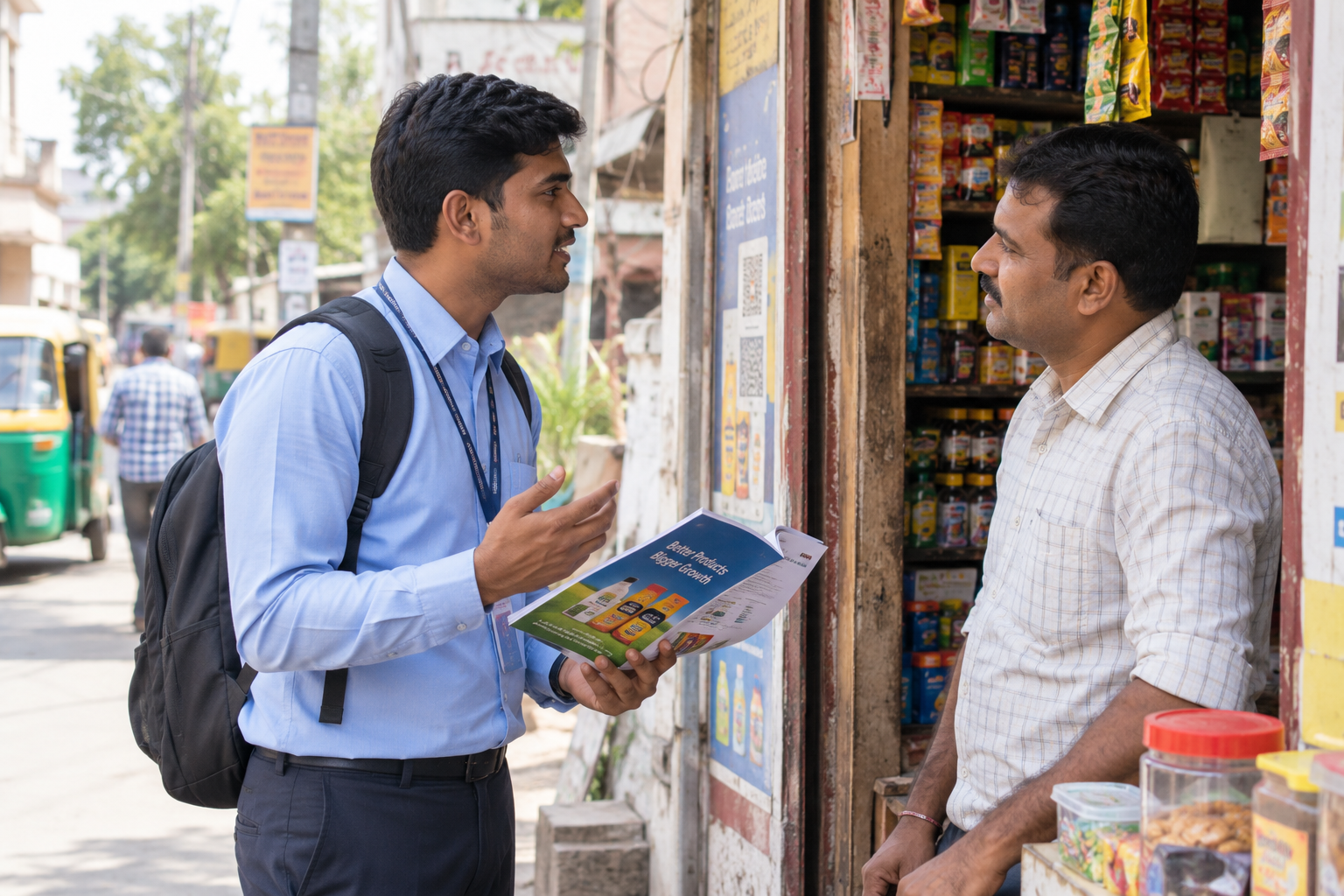
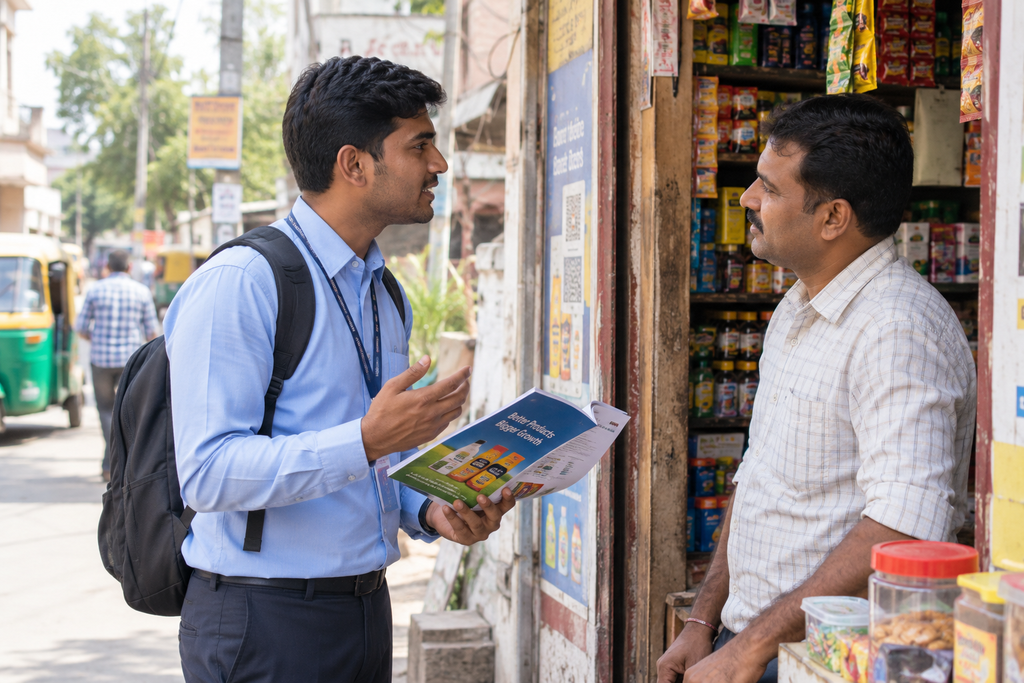
    When people hear the word sales, they often imagine someone going door to door or sitting in an office and making phone calls. But the large part of Sales happens outside the office.

    How Frontline Sales can be build real career skills?

    A field sales executive might spend the day visiting customers, understanding their requirements, explaining a product, following up with the prospects and building relationship. That makes a field sales one of the many important frontline jobs in India. And while the field sales can be challenging, it can also teach skills that stay useful throughout a person’s career.

    Frontline workforce includes people who directly interacts with customers, operate business processes or deliver products and services. This can include:

    • Field Sales executives
    • Delivery Executives
    • Retail Employees
    • Warehouse Workers
    • Technicians
    • Drivers
    • Manufacturing Workers
    • Field Sales Professionals. 

    Recent workforce research describes frontline employees as the people working across areas such as retail, factories, warehouses and customer service — roles that keep day-to-day operations moving.

    Frontline Field Sales in India

    What Does a Field Sales Executive Actually Do?

    A sales professional job is not simply about selling something. A typical field sales executive may have to:

    • Find and contact potential customers
    • Visit customers
    • Understand their requirements
    • Explain products or services
    • Handle questions and objections
    • Negotiate with customers
    • Follow up regularly
    • Maintain customer information
    • Coordinate with internal teams
    • Work towards sales targets

    Every customer interaction is different.
    That means a sales executive gets practical experience that cannot always be learned from a classroom.

    The Skills You Build in Sales

    One of the biggest advantages of a frontline sales job is the range of skills you develop.

    • Communication

    You learn how to explain an idea clearly to different types of customers.

    • Customer Handling

    Not every customer will be interested. Learning how to listen, respond to objections and maintain a professional conversation is an important skill.

    • Negotiation

    Customers may question pricing, features or value. Handling these conversations teaches you how to negotiate and communicate value.

    • Time Management

    A customer facing executive may have several meetings or visits in one day. Planning the day properly becomes an important part of the job.

    • Problem Solving

    Customers don’t always give you a straightforward requirement. You often have to understand the actual problem and find a suitable solution.

    Field Sales Can Be a Starting Point, Not the Final Destination

    A person’s first job does not necessarily determine their entire career. Someone who starts as a field sales executive can gradually develop experience in areas such as:

    Field Sales → Senior Sales Executive → Business Development → Key Account Management

    Or, depending on their skills and interests:

    Frontline Sales → Sales Operations → CRM / Sales Coordination → Business Operations

    The actual career path depends on the person’s experience, performance, education, skills and the opportunities available to them.

    The important point is that frontline work can help build transferable skills.

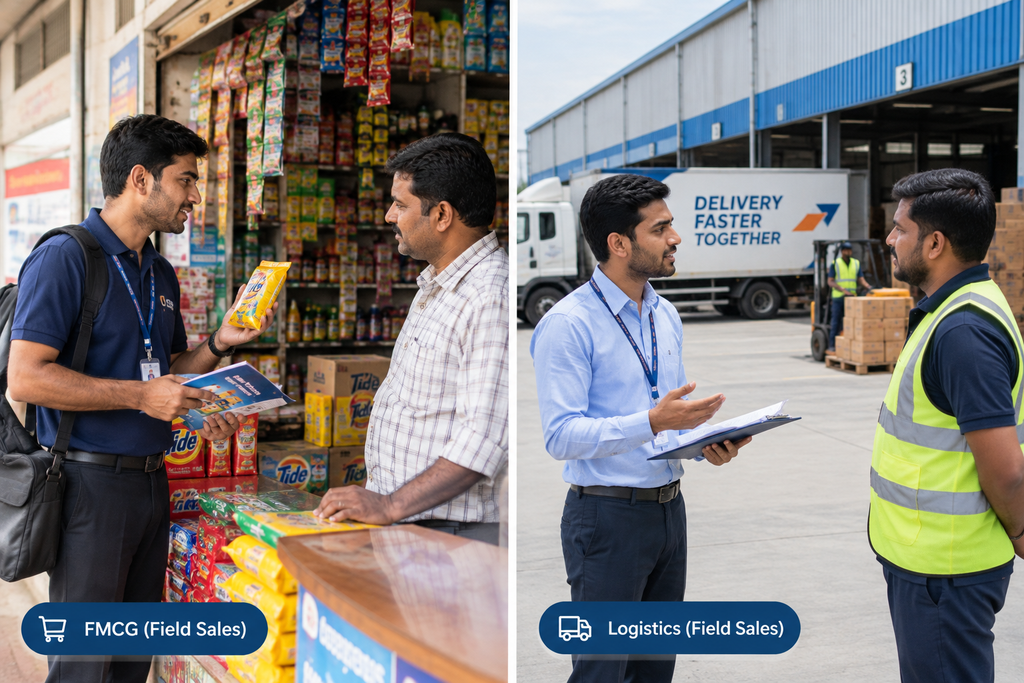
    Field Sales In FMCG and Logistics

    Why Digital Job Discovery Matters

    Finding suitable frontline jobs can sometimes be difficult. Many workers traditionally depend on personal contacts, local references or word-of-mouth to discover opportunities.

    Digital job platforms are creating another way for workers to discover jobs and present their skills to potential employers.

    Find Frontline and Field Sales Opportunities with Job Raahi

    Job Raahi is a digital job portal specializing in blue collar, grey collar and frontline employment.

    The platform connects job seekers with employment opportunities across different frontline and skilled-work categories. For someone looking for a field sales job, sales executive job, logistics job, delivery job, manufacturing job or other frontline opportunity, having access to relevant vacancies can make the job search more organized.

    Your First Job Can Teach You More Than You Expect

    A frontline job can teach you how to communicate with people, handle pressure, solve problems and take responsibility. These skills can remain useful even when your career direction changes later.

    So, if you’re starting your career and considering a field sales job, don’t look at it only as a job title.

    Look at the skills you can build along the way. Every customer conversation, every visit and every problem you solve can become part of your professional experience.