Tag: hiring process

  • Blue Collar Freshers Hiring Process

    Blue Collar Freshers Hiring Process

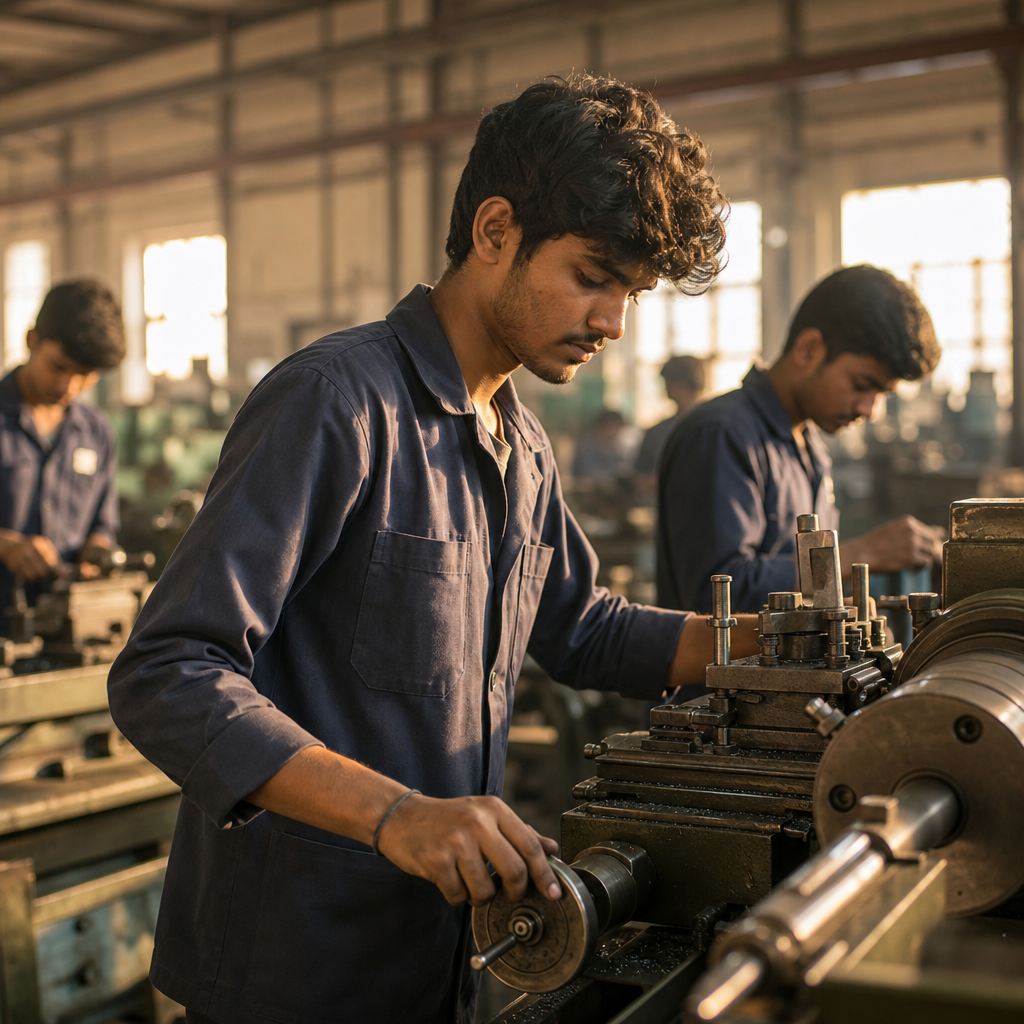
    Blue Collar Hiring

    Blue Collar Hiring is a crucial aspect of the job market, as it provides numerous opportunities for freshers and experienced workers alike. Furthermore, the blue collar sector is constantly evolving, with new technologies and innovations being introduced regularly. Additionally, the demand for skilled blue collar workers is on the rise, making it an exciting time for those looking to enter this field.

    Understanding the Blue Collar Hiring Process

    The Blue Collar Hiring process typically involves several steps, including application, screening, and interview. Moreover, many companies also conduct skills tests and assessments to evaluate a candidate’s abilities. Consequently, it is essential for job seekers to be well-prepared and knowledgeable about the hiring process. For instance, visiting the Job Raahi Blog can provide valuable insights and tips on how to succeed in the blue collar job market.

    Blue Collar Hiring

    Blue Collar Hiring Challenges

    One of the significant challenges faced by blue collar job seekers is the lack of information about job opportunities. However, with the help of online job portals like Job Raahi, it is now easier to find and apply for blue collar jobs. Furthermore, these platforms also provide resources and guidance to help job seekers prepare for the hiring process.

    Benefits of Blue Collar Hiring

    Blue Collar Hiring offers numerous benefits, including job security, competitive salaries, and opportunities for career advancement. Additionally, many blue collar jobs also provide benefits like health insurance, retirement plans, and paid time off. Therefore, it is an attractive option for those looking for a stable and rewarding career. Some of the benefits of blue collar hiring include:
    * Job security
    * Competitive salaries
    * Opportunities for career advancement
    * Health insurance
    * Retirement plans

    Blue Collar Industry Overview

    The blue collar industry is diverse and encompasses various sectors, including manufacturing, construction, and transportation. Moreover, the industry is constantly evolving, with new technologies and innovations being introduced regularly. Consequently, it is essential for blue collar workers to stay up-to-date with the latest trends and developments. For example, the use of automation and robotics is becoming increasingly common in the manufacturing sector.

    Preparing for Blue Collar Jobs

    Preparing for blue collar jobs requires a combination of education, training, and skills development. Furthermore, many blue collar jobs also require specialized certifications and licenses. Additionally, having a strong foundation in math, science, and technology can be beneficial for those looking to pursue a career in the blue collar sector. Some of the key skills required for blue collar jobs include:
    * Technical skills
    * Problem-solving skills
    * Communication skills
    * Teamwork skills
    * Adaptability

    Blue Collar Freshers Jobs

    Blue Collar Freshers jobs are available in various sectors, including manufacturing, construction, and transportation. Moreover, many companies also offer training and apprenticeship programs for freshers. Consequently, it is an excellent opportunity for those looking to enter the blue collar sector. For instance, visiting the download Job Raahi app can provide access to a wide range of blue collar job opportunities.

    Blue Collar Hiring Trends

    Blue Collar Hiring trends are constantly evolving, with a focus on skills development, training, and education. Furthermore, the use of technology and digital platforms is becoming increasingly common in the blue collar sector. Additionally, there is a growing demand for skilled blue collar workers, particularly in the manufacturing and construction sectors. Some of the key trends in blue collar hiring include:
    * Increased use of technology and digital platforms
    * Focus on skills development and training
    * Growing demand for skilled blue collar workers
    * Emphasis on safety and health protocols
    * Importance of soft skills like communication and teamwork

    Blue Collar Sector Job Opportunities Required Skills
    Manufacturing Machine operator, quality control inspector Technical skills, problem-solving skills
    Construction Electrician, plumber, carpenter Technical skills, physical stamina
    Transportation Driver, logistics coordinator Communication skills, navigation skills
    Warehousing Warehouse manager, inventory control specialist Organizational skills, attention to detail

    Blue Collar Job Opportunities

    Blue Collar Job opportunities are available in various sectors, including manufacturing, construction, and transportation. Moreover, many companies also offer job training and apprenticeship programs for blue collar workers. Additionally, visiting websites like National Career Service and Ministry of Skill Development can provide valuable information and resources on blue collar job opportunities.

    Conclusion

    In conclusion, Blue Collar Hiring is a vital aspect of the job market, providing numerous opportunities for freshers and experienced workers alike. Furthermore, the blue collar sector is constantly evolving, with new technologies and innovations being introduced regularly. Therefore, it is essential for job seekers to stay up-to-date with the latest trends and developments. To get started, download the Job Raahi app and explore the various blue collar job opportunities available.
    Sources and References

    * National Career Service
    * Ministry of Skill Development

  • Streamlining Volume Hiring for Manufacturing Firms with Efficient Strategies

    Streamlining Volume Hiring for Manufacturing Firms with Efficient Strategies

    volume hiring

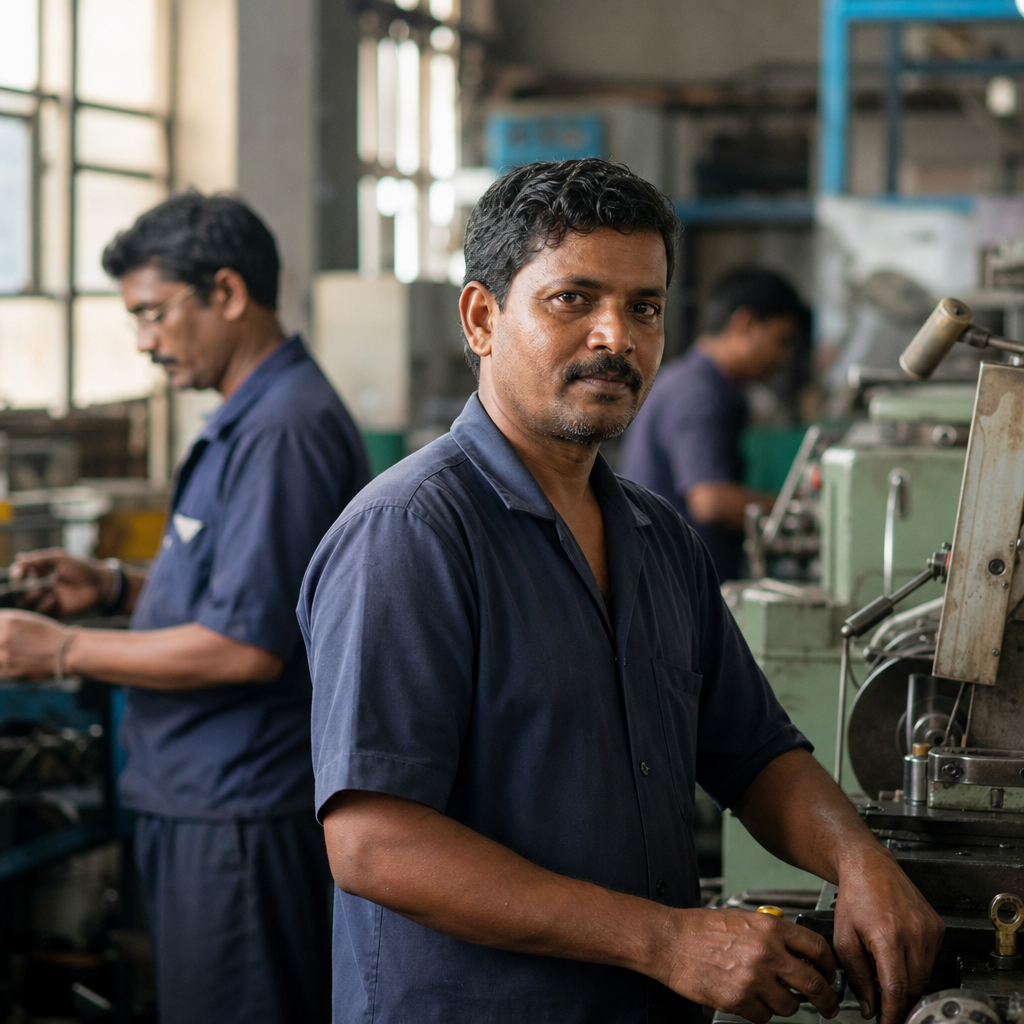
    Volume hiring is a crucial aspect of manufacturing recruitment, as it enables companies to fill multiple job openings quickly and efficiently. In the manufacturing sector, bulk hiring is often necessary to meet production demands, and an efficient hiring process can make all the difference in reducing costs and improving productivity. However, managing a large number of candidates and vacancies can be a daunting task, which is why it is essential to implement efficient strategies for volume hiring. In this article, we will explore the importance of streamlining volume hiring for manufacturing firms and provide tips on how to achieve it.

    Challenges in Volume Hiring

    Manufacturing recruitment involves a unique set of challenges, particularly when it comes to volume hiring. One of the main difficulties is the high volume of applications that need to be processed, which can be time-consuming and labor-intensive. Moreover, the hiring process for manufacturing jobs often requires a specific set of skills and qualifications, making it essential to have a well-structured recruitment strategy in place. The lack of efficient hiring processes can lead to delays, increased costs, and a negative impact on the overall productivity of the company. To overcome these challenges, manufacturing firms need to adopt efficient hiring solutions that can streamline the recruitment process and improve hiring efficiency.

    Importance of Efficient Hiring Processes

    Efficient hiring processes are critical in volume hiring, as they enable companies to quickly identify and select the best candidates for the job. A well-structured recruitment strategy can help manufacturing firms reduce the time-to-hire, lower recruitment costs, and improve the overall quality of hires. Moreover, efficient hiring processes can also enhance the candidate experience, which is essential for building a positive employer brand and attracting top talent in the industry. According to the International Labour Organization (ILO), efficient hiring processes can also contribute to improved job satisfaction and reduced employee turnover rates.

    Strategies for Streamlining Volume Hiring

    To streamline volume hiring, manufacturing firms can implement several strategies that can improve the efficiency of the recruitment process. Some of these strategies include:

    • Defining clear job requirements and qualifications to attract the right candidates
    • Utilizing digital recruitment channels, such as job portals and social media, to reach a wider audience
    • Implementing automated recruitment tools, such as applicant tracking systems (ATS), to streamline the application process
    • Developing a structured interview process to assess candidate skills and qualifications
    • Providing a positive candidate experience through timely communication and feedback

    These strategies can help manufacturing firms improve their hiring efficiency, reduce costs, and enhance the overall quality of hires. Additionally, companies can also leverage the expertise of recruitment agencies or job portals, such as Job Raahi, to streamline their volume hiring processes.

    Role of Technology in Volume Hiring

    Technology plays a vital role in streamlining volume hiring, as it enables companies to automate many aspects of the recruitment process. From applicant tracking systems to video interviewing tools, technology can help manufacturing firms reduce the time-to-hire, lower recruitment costs, and improve the overall efficiency of the hiring process. Moreover, technology can also provide valuable insights into the recruitment process, enabling companies to make data-driven decisions and optimize their recruitment strategies. According to the National Skill Development Corporation (NSDC), technology can also help address the skills gap in the manufacturing sector by providing access to online training and development programs.

    Best Practices for Manufacturing Recruitment

    To achieve efficient volume hiring, manufacturing firms should adopt best practices that can improve the recruitment process. Some of these best practices include:

    1. Developing a comprehensive recruitment strategy that aligns with business objectives
    2. Building a strong employer brand to attract top talent in the industry
    3. Utilizing data analytics to optimize recruitment processes and improve hiring efficiency
    4. Providing ongoing training and development opportunities to enhance employee skills and productivity
    5. Encouraging employee referrals and internal mobility to reduce recruitment costs and improve job satisfaction

    By adopting these best practices, manufacturing firms can improve their recruitment processes, reduce costs, and enhance the overall quality of hires. For more information on manufacturing recruitment and volume hiring, visit Job Raahi’s blog for expert insights and advice.

    Conclusion

    Streamlining volume hiring is essential for manufacturing firms to reduce costs, improve productivity, and enhance the overall quality of hires. By implementing efficient strategies, leveraging technology, and adopting best practices, companies can improve their recruitment processes and achieve their business objectives. To learn more about volume hiring and manufacturing recruitment, visit Job Raahi’s blog for expert insights and advice. You can also explore the Ministry of Skill Development and Entrepreneurship website for information on government initiatives and programs that support skills development and employment in the manufacturing sector.

    Sources and References