Table of Contents
Migrant Workers Kaun Hote Hain?
Migrant workers wo log hote hain jo apna ghar, gaon ya desh chhodkar kaam ki talaash mein doosri jagah jaate hain. According to the ILO, there are 164 million migrant workers in the world, jo apne destination countries ki economy mein directly ya indirectly contribute karte hain.
Yeh workers factories, construction sites, farms, aur households mein kaam karte hain jahan local labour kaafi nahi hota. In 2022, international migrants made up 4.7% (167.7 million) of the global labour force, jo 2013 ke comparison mein 30 million se zyada increase hai.
Migrant Workers Ki Economy Mein Kya Role Hai?
Migrant workers apni destination economy mein bahut important role play karte hain, especially services aur care sectors mein. High-income countries absorbed the largest number of international migrants, accounting for 68.4% (114 million people), primarily in key sectors such as services, especially in the provision of care.
Example: Hospitals, construction companies aur farms – inme se zyada tar migrant workers hi hote hain jo essential services chalu rakhte hain. Inke bina kaafi industries ka operations ruk sakta hai, lekin in workers ko khud ko bahut saari problems face karni padti hain.
Challenge 1: Kam Wages Aur High Recruitment Costs
Sabse badi problem hai ki migrant workers ko unke kaam ke according fair wages nahi milti, aur saath mein job dilane wale agents bhi unse heavy charges lete hain. The findings reveal substantial issues including high recruitment costs and inadequate wage protection for migrant workers.
Example: Kai workers apni 1-2 mahine ki salary sirf recruitment agent ko de dete hain, jisse unka financial burden shuru se hi bahut zyada ho jaata hai. Yeh cycle unhe debt mein dabaa deta hai aur exit karna mushkil ho jaata hai.
Challenge 2: Lambi Working Hours Aur Unsafe Conditions
Migrant workers se aksar normal se zyada ghante kaam karaya jaata hai, aur safety equipment ki bhi kami hoti hai. Long work hours and serious occupational injuries are common challenges reported among migrant workers, especially in physically demanding sectors.
Example: Construction sites par bina helmet ya safety harness ke kaam karna ek common scene hai, jisse accidents ka risk bahut badh jaata hai. Proper training aur equipment ki kami ki wajah se chhoti-chhoti galtiyan bhi badi injuries ban jaati hain.
Challenge 3: Higher Unemployment Rate
Migrant workers ko local workers ke comparison mein job dhundne mein zyada mushkil hoti hai. Migrants faced a higher unemployment rate of 7.2% compared to 5.2% for non-migrants, aur yeh gap migrant women ke liye aur bhi zyada hai.
Example: Ek skilled worker bhi sirf isliye job nahi paata kyunki uske certificates ya degree doosre desh ya state mein recognize nahi hote. Yeh “qualification mismatch” unki growth ko rok deta hai.
Challenge 4: Language Barrier
Naye shehar ya desh mein language alag hone ki wajah se migrant workers ko communication mein bahut problem hoti hai. Language challenges remain one of the major barriers that hinder migrant workers’ employment opportunities and daily life.
Example: Agar koi worker Hindi-speaking area se Tamil Nadu ya kisi doosre desh chala jaaye, toh unhe basic kaam jaise market mein samaan kharidna, doctor se baat karna, ya complaint file karna bhi mushkil ho jaata hai. Isse unki confidence aur independence dono affect hoti hai.
Challenge 5: Discrimination Aur Social Exclusion
Migrant workers ko aksar unki identity, language ya background ki wajah se discrimination face karna padta hai. Discrimination remains a key barrier that affects migrant workers’ access to fair employment opportunities and social integration.
Example: Kuch landlords migrants ko ghar rent par dene se inkaar kar dete hain, ya unhe lower-quality housing diya jaata hai jyada rent par. Yeh exclusion unhe local community se door rakhta hai.
Challenge 6: Women Migrant Workers Ki Extra Problems
Migrant women ko apne male counterparts ke comparison mein zyada challenges face karne padte hain. Migrant women had an unemployment rate of 8.7%, compared to 6.2% for migrant men, aur women commonly face compounding discrimination based on gender and nationality.
Example: Childcare facilities na hone ki wajah se kai migrant women ko job chhodni padti hai. Limited childcare options and gender-based expectations hinder migrant women’s employment opportunities significantly.
Challenge 7: Healthcare Aur Social Protection Ki Kami
Bahut saare migrant workers ko health insurance ya medical benefits nahi milte. Gaps in access to social protection are a widely reported issue among migrant worker populations across various industries.
Example: Agar koi migrant worker kaam ke dauran injured ho jaaye, toh aksar unke paas medical bills cover karne ke liye koi insurance nahi hota. Isse ek chhota accident bhi unki saari savings khatam kar sakta hai.
Challenge 8: Forced Labour Aur Exploitation
Sabse serious challenge hai forced labour – jisme workers ko unki marzi ke against kaam karne par majboor kiya jaata hai. Applying the ILO methodology for measuring forced labour, one out of eight migrant workers in certain sectors (13 per cent) were found to be in forced labour conditions.
Example: Kuch workers ka passport ya ID proof recruitment agent apne paas rakh leta hai, jisse wo job chhod hi nahi sakte. Yeh ek tarah ki “modern slavery” hai jo abhi bhi duniya ke kayi hisson mein chal rahi hai.
Challenge 9: Lack of Trade Union Rights
Migrant workers ko aksar unions banane ya unme shamil hone ka right nahi diya jaata. Barriers to freedom of association prevent migrant workers from collectively bargaining for better wages and working conditions.
Example: Agar workers apni problems ke baare mein awaaz uthana chahein, toh unke paas koi organized platform nahi hota jahan se wo apni demands rakh sake. Isse unki bargaining power bahut kam ho jaati hai.
Challenge 10: Family Separation Aur Mental Stress
Job ki talaash mein apne ghar-parivaar se door rehna migrant workers ke liye emotionally bahut difficult hota hai. Long-distance separation se bachon ki parenting, parents ki care, aur relationships sab affect hote hain.
Example: Ek worker jo apne bachon se sirf saal mein ek-do baar mil sakta hai, uske liye emotional toll bahut bada hota hai. Yeh loneliness aur stress unki mental health par direct impact daalti hai.
Challenge 11: Documentation Aur Legal Status Ki Problems
Migration ke proper legal channels follow na karne ki wajah se kai workers “irregular” status mein aa jaate hain. Workers continue to migrate largely through irregular channels due to the high costs, long duration and complexity of the regular migration process.
Example: Bina valid documents ke workers ko deportation ka risk hota hai, aur agar koi exploitation hoti hai toh wo police ya authorities se help maangne se bhi darte hain. Yeh fear unhe aur zyada vulnerable bana deta hai.
Challenge 12: Children Ki Education Mein Disruption
Jab pura family migrate karta hai, toh bachon ki schooling bhi baar-baar disturb hoti hai. Naye shehar mein admission lena, syllabus ka different hona, aur language barrier – yeh sab bachon ke education ko affect karta hai.
Example: Ek construction site par kaam karne wale family ka baccha kabhi school join nahi kar pata kyunki family every few months location change karti rehti hai. Isse unka future bhi uncertain ho jaata hai.
COVID-19 Ne Migrant Workers Ko Kaise Affect Kiya?
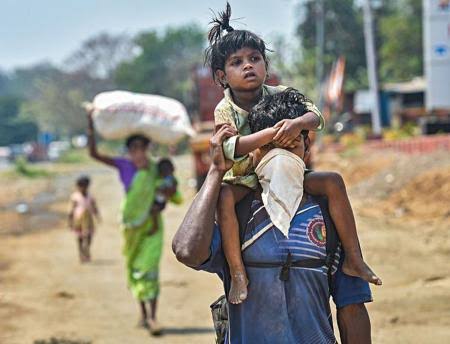
2020 mein lockdown ke time migrant workers ki situation duniya ke saamne aayi – lakhon log apne ghar paidal hi nikal pade the kyunki transport band ho gaya tha aur unke paas income ka koi source nahi tha. Yeh event clearly dikhata hai ki migrant workers kitne vulnerable hote hain jab koi crisis aata hai, aur unke liye proper social security systems ki kitni zarurat hai.
Solutions: Migrant Workers Ki Help Kaise Ki Ja Sakti Hai?
Inn challenges ko solve karne ke liye governments aur organizations ko targeted policies banani chahiye. The ILO emphasizes the importance of targeted policies to support international migrants, particularly in high-demand sectors such as services and care, along with improved access to decent work and enhanced protections.
Example: Ratifying and implementing international labour standards related to recruitment, forced labour, aur fair wages – yeh sab steps migrant workers ki life better banane mein madad kar sakte hain. Saath hi, unhe trade unions banane ka right dena bhi bahut zaroori hai.
Conclusion: Migrant Workers Ka Sammaan Zaroori Hai
Migrant workers humari economy ki backbone hain – chahe wo factories ho, construction sites ho ya hospitals. Lekin inhe jo challenges face karne padte hain – low wages, unsafe conditions, discrimination aur lack of social protection – yeh kisi bhi insaan ke liye acceptable nahi honi chahiye.
Hum sabko chahiye ki migrant workers ke prati apna attitude badlein, unhe respect dein, aur policies ke through unki life ko better banane mein contribute karein. Ek fair aur inclusive society wahi hoti hai jahan har worker – chahe wo migrant ho ya local – safe aur dignified life jee sake.
Sources / Credible References
- International Labour Organization (ILO) – International migrants are vital force in the global labour market
- ILOSTAT – Are migrants also successful in the labour market?
- International Labour Organization (ILO) – Survey highlights challenging conditions faced by migrant workers in Asia’s fishing and seafood processing industries
- International Labour Organization (ILO) – ILO report reveals challenges and precarity experienced by many Lao migrant workers
- ILOSTAT – Statistics on Migrant Workers
Mexico Business News – International Migrants Represent 4.7% of Global Workforce: ILO
For more such Articles, go to Market Insights