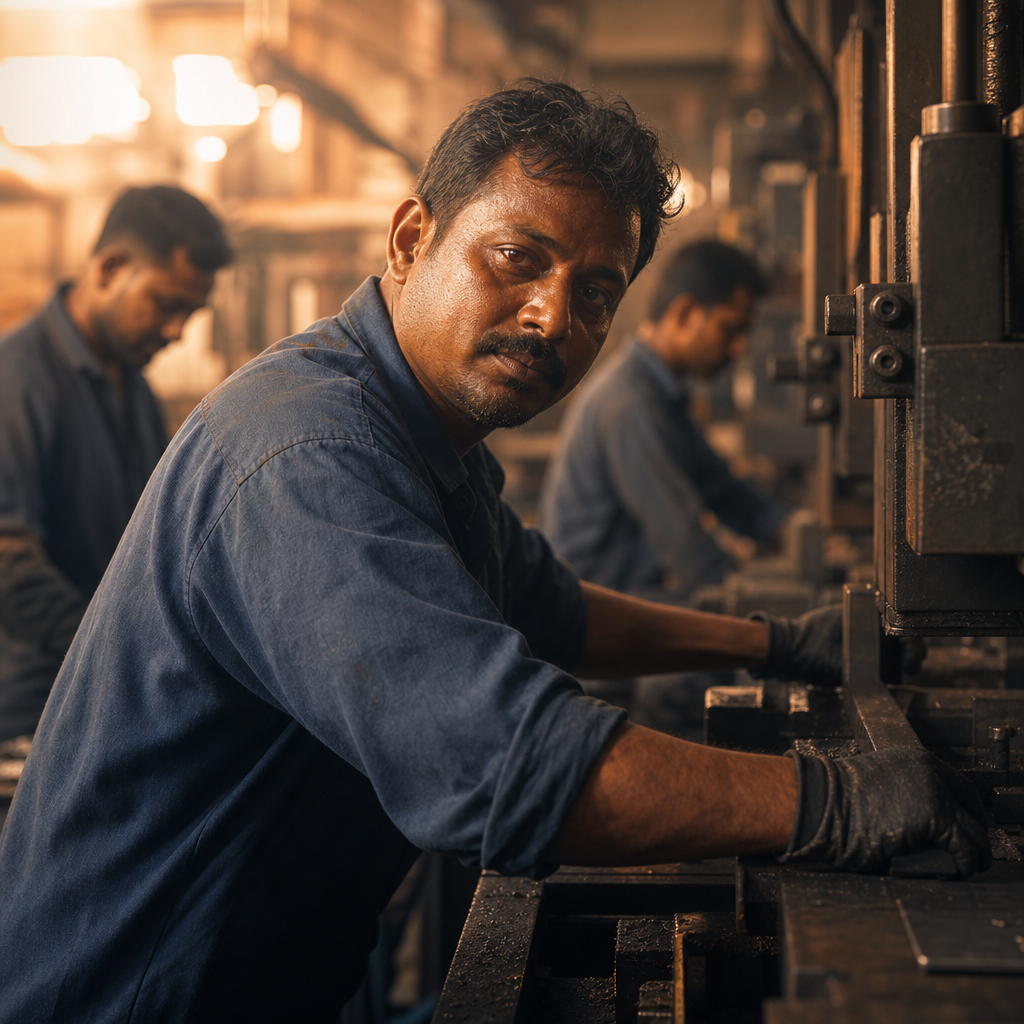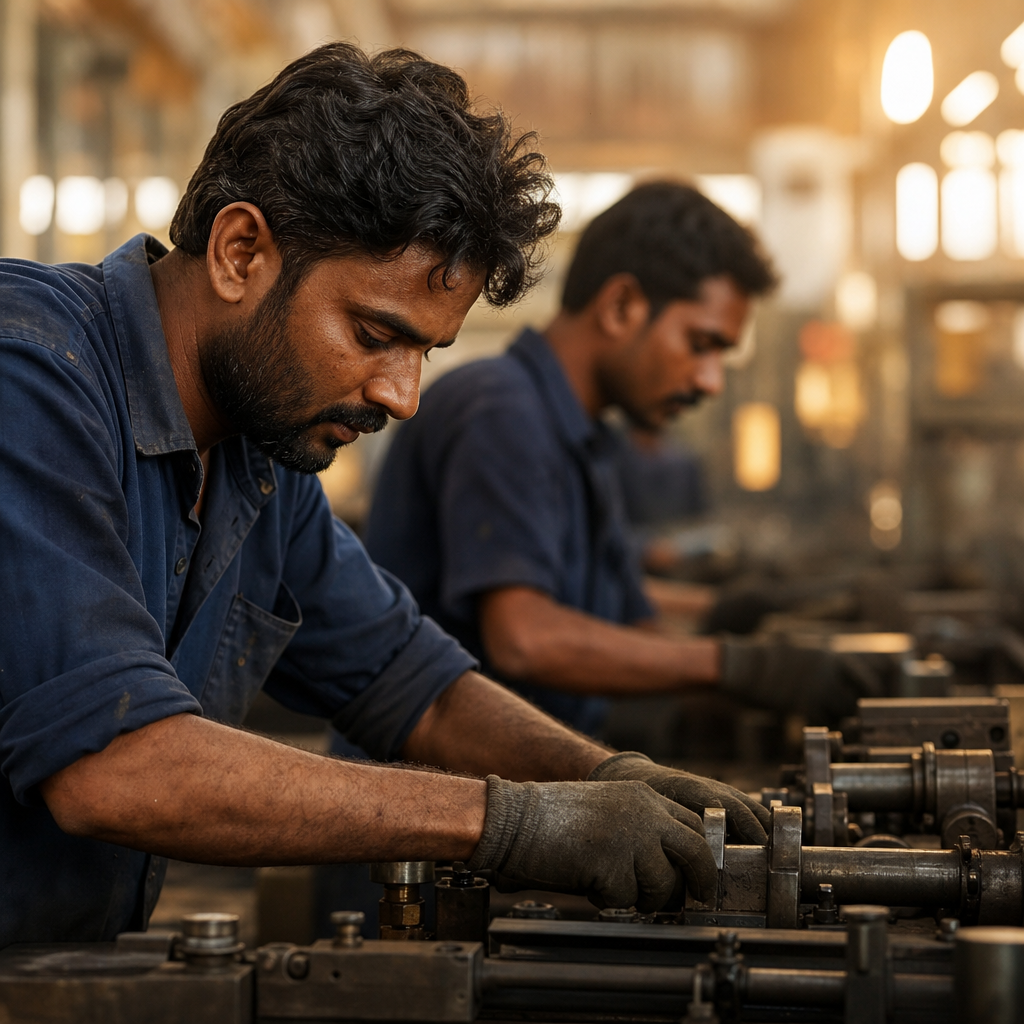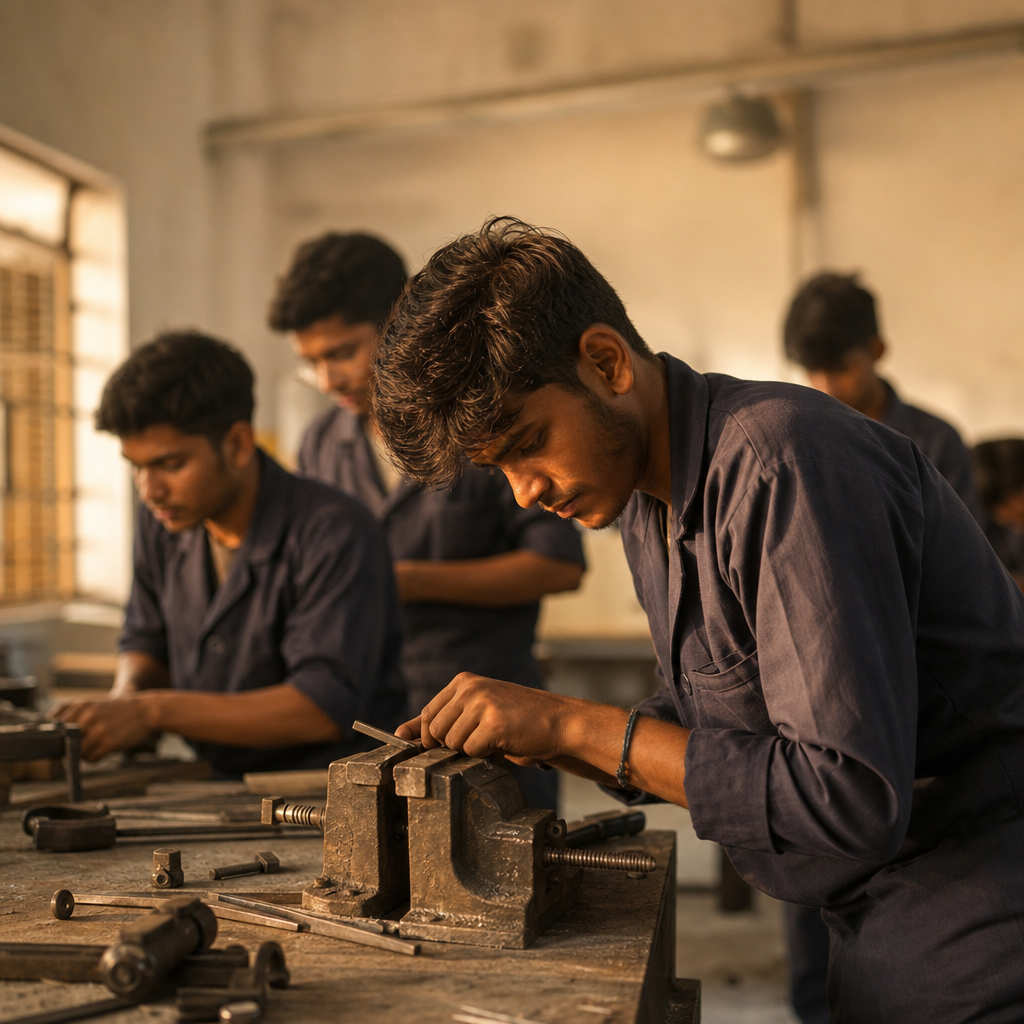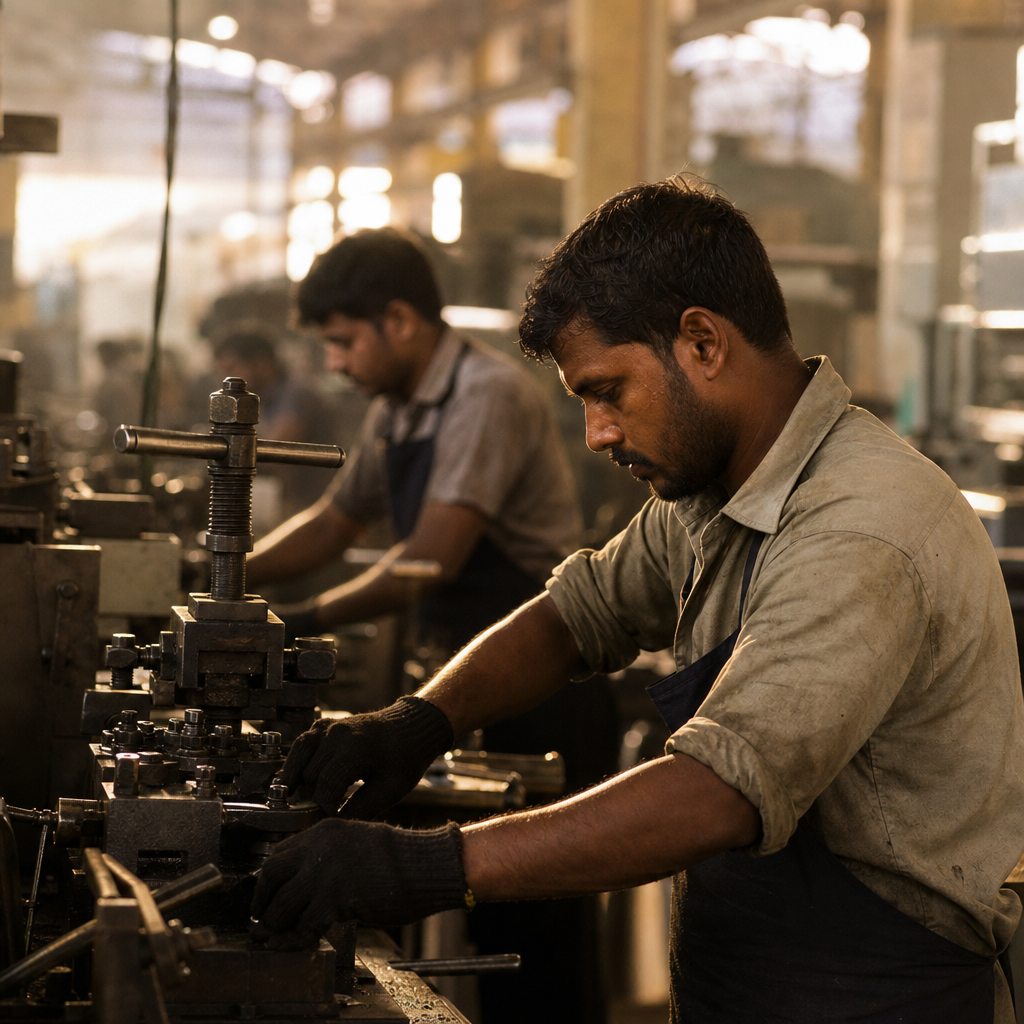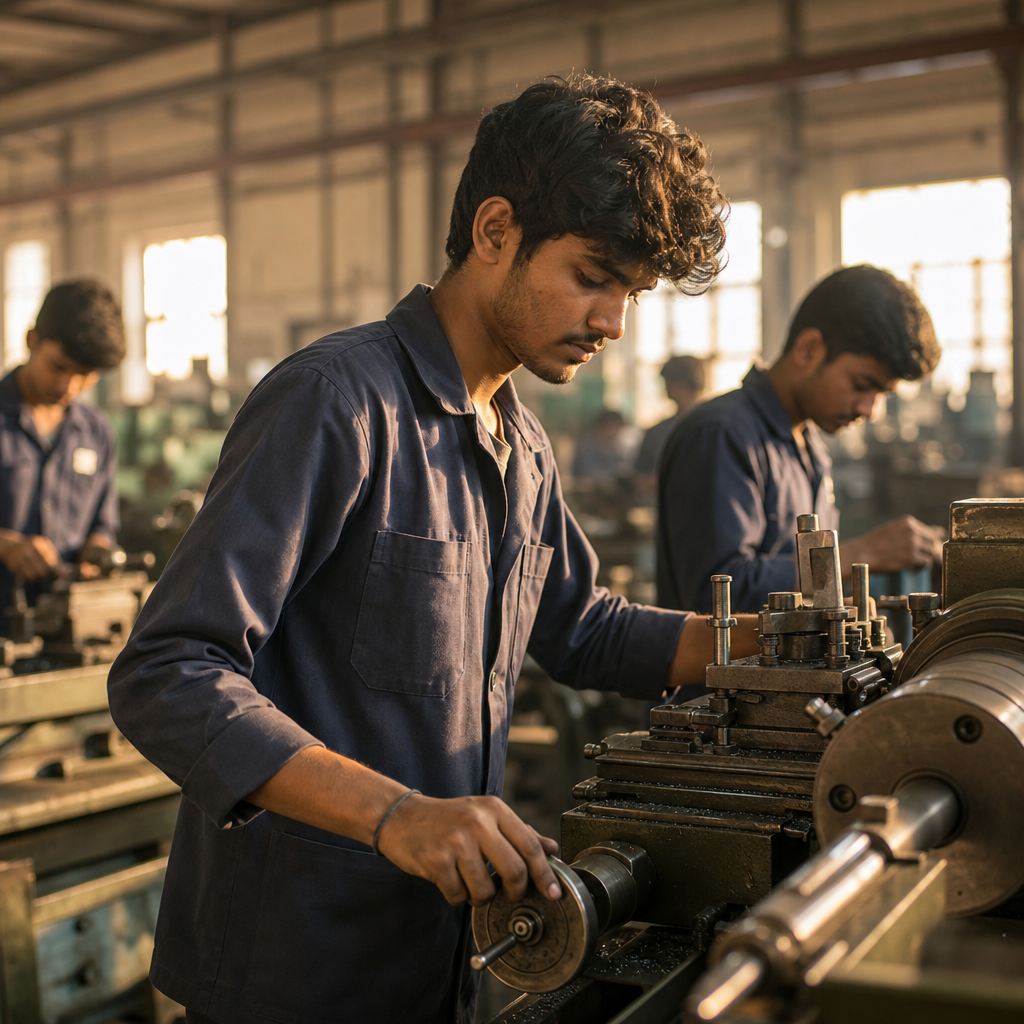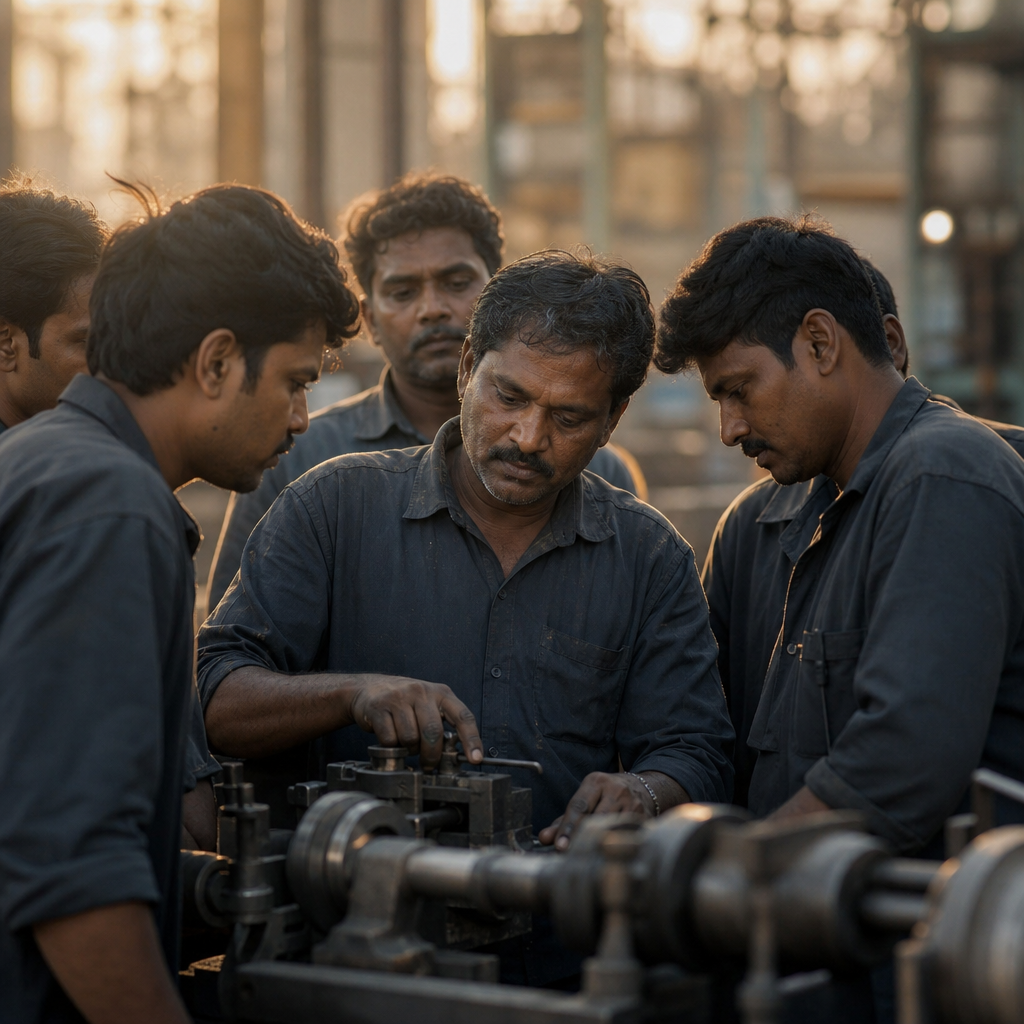
As an ITI fresher, finding a job can be a daunting task, but with the right career tips, ITI freshers can boost their job prospects and kickstart their career. In India, there are numerous employment opportunities available for ITI freshers, and with the right guidance, they can make the most of these opportunities. The government of India has also launched several initiatives to promote vocational training and technical education, such as the National Skill Development Mission, which aims to provide job placement and career guidance to ITI freshers.
Understanding the Job Market
The job market for ITI freshers is highly competitive, and it is essential to have the right technical skills to stand out from the crowd. ITI courses provide students with the necessary skills and knowledge to pursue a career in their chosen field, but it is crucial to stay updated with the latest industry trends and technologies. According to the National Skill Development Corporation, the demand for skilled workers is on the rise, and ITI freshers can take advantage of this trend by acquiring the right skills and knowledge.
Importance of Industrial Training
Industrial training is an essential part of ITI courses, and it provides students with hands-on experience and exposure to the industry. This training helps ITI freshers to develop the necessary skills and knowledge to pursue a career in their chosen field. The International Labour Organization emphasizes the importance of vocational training and industrial training in providing employment opportunities to young people.
Building a Strong Foundation
To boost their job prospects, ITI freshers need to build a strong foundation in their chosen field. This can be achieved by pursuing additional courses or certifications, such as those offered by the Ministry of Skill Development and Entrepreneurship. ITI freshers can also take advantage of online resources and platforms, such as Job Raahi, which provide career guidance and job placement services.
Career Guidance and Mentorship
Career guidance and mentorship are essential for ITI freshers to make informed decisions about their career. ITI freshers can seek guidance from experienced professionals and mentors who can provide them with valuable advice and insights. The career tips provided by Job Raahi can also be helpful in this regard.
Enhancing Employability
To enhance their employability, ITI freshers need to develop a range of skills, including technical, communication, and problem-solving skills. They can also take advantage of job fairs and placement drives organized by government job portals and private companies. The National Skill Registration mission is an initiative by the government of India to provide employment opportunities to skilled workers, including ITI freshers.
Staying Positive and Focused
Finally, ITI freshers need to stay positive and focused on their career goals. They can achieve this by setting realistic targets, working hard, and staying motivated. The Indian Institute of Technology Delhi provides resources and support to students, including ITI freshers, to help them achieve their career goals.
Conclusion
In conclusion, ITI freshers can boost their job prospects by following the right career tips and guidance. With the right technical skills, industrial training, and career guidance, ITI freshers can take advantage of the numerous employment opportunities available in India. To learn more about career tips and job placement services, visit Job Raahi and start building a successful career.
Pehli Job Apply Karna Kyu Lagta Hai Itna Complicated?
Pehli baar job dhundhna ek naye sheher mein bina map ke ghumne jaisa lagta hai options dikhen nahi, aur jo dikhe woh sahi hain ya nahi, yeh bhi pata nahi. Job portals pe fake listings ka darr, complicated registration forms, aur confusing interfaces yeh sab milke ek simple kaam ko unnecessarily mushkil bana dete hain.
Problem Sirf Information Ki Nahi Trust Ki Bhi Hai
India mein lakhs of freshers, especially blue-collar aur entry-level candidates, har saal job search mein time waste karte hain sirf isliye kyunki unhe ek reliable, safe starting point nahi milta. NASSCOM ki 2025 report ke mutabiq, India mein reported job frauds ka ek bada hissa first-time job seekers ko target karta hai jo log naye hain, unhe pata hi nahi hota ki red flag kya hota hai.
Yahan Aata Hai Job Raahi
Job Raahi ek aisa platform hai jo specifically is gap ko solve karne ke liye bana hai. Verified job listings, simple interface, aur freshers ke liye design ki gayi features yeh ek safe aur effective jagah hai pehli baar online job apply karne ke liye. Is guide mein hum step-by-step chalenge registration se lekar interview call tak.
Job Raahi Kya Hai? Aur Doosre Platforms Se Alag Kyun?
Job Raahi ek verified job marketplace hai jo blue-collar workers, entry-level freshers, aur pehli baar kaam dhundhne wale candidates ko genuinely suitable opportunities se connect karta hai. Yahan focus hai un roles pe jo degree se zyada skills aur reliability pe depend karti hain delivery, customer support, data collection, telecalling, aur aur bhi.
Verification Ka Matlab Kya Hai Practically
Jahan generic job portals pe koi bhi listing daal sakta hai, Job Raahi ke recruiters aur listings verify hoti hain. Iska matlab hai ki aap jo job dekh rahe hain, woh real hai, company real hai, aur process legitimate hai. Pehli baar apply karne wale freshers ke liye yeh ek surprisingly badi baat hai kyunki fake listing wali anxiety hati hai aur aap actually apply karne par focus kar sakte ho.
Job Raahi kiske liye hai?
Agar aap ek fresher ho jisne abhi college khatam kiya, ya koi kaam dhundh raha ho bina formal experience ke, ya chhote ya tier-2 sheher mein ho jahan offline opportunities limited hain. Job Raahi platform aapke liye specifically design kiya gaya hai. Yeh woh jagah nahi jahan IIT grads MBA roles dhundh rahe hain yeh woh jagah hai jahan real job seekers real jobs dhundhte hain.
Step 1- Registration: 2 Minute, Bas Mobile Number
Shuru Karo Bina Kisi Jhanjhat Ke
Job Raahi ka pehla step deliberately simple rakha gaya hai isliye ki koi bhi candidate technical difficulty ki wajah se platform chhode nahi. Website (jobraahi.com) ya app kholo, aur mobile number ya email se account banao. OTP verify karo, ek simple password set karo poora process genuinely 2 minute mein ho jaata hai.
Koi Complicated Documents Nahi Chahiye Abhi
Registration ke time koi resume upload, koi certificate submit, koi lengthy form kuch nahi. Yeh deliberately aisa rakha gaya hai kyunki freshers ke paas yeh sab ready nahi hota pehle din, aur platform jaanta hai yeh. Sirf ek working number chahiye — shuruat hoti hai wahan se.
Ek Account, Sab Kuch Manage
Ek baar account ban jaaye, aap job applications track kar sakte ho, saved listings dekh sakte ho, aur recruiter messages ek hi jagah se handle kar sakte ho. Job Raahi app mobile-first design ke saath aata hai, jo un candidates ke liye ideal hai jinke paas laptop nahi sirf smartphone hai.
Step 2- Profile Complete Karna: Yeh Section Job Dilata Hai
Skills Section: Sabse Zyada Important Part
Naam, city, education, work experience yeh sab fill karo, lekin sabse critical section hai Skills. Recruiters Job Raahi par sabse pehle skills dekhte hain, isliye yeh section thoughtfully fill karna zaroori hai. Agar aap Hindi mein fluent ho likho. Agar aapne koi internship ki hai, koi course kiya hai, ya koi specific tool use karna aata hai woh sab mention karo, chaahe chhota lagta ho.
Skills Kaise Likhein Jo Dhyan Kheenchen
Generic mat likho “good communication” ki jagah “customer calls handle ki hai college project mein” zyada impactful hota hai. Specific aur honest likho recruiters easily samajh jaate hain jo padha-padhaaya lagta hai. Job Raahi ka algorithm bhi skills match karke relevant jobs suggest karta hai, toh yeh section aapki profile ki engine hai.
Auto-Resume Feature: Freshers Ke Liye Game Changer
Job Raahi ka ek standout feature hai platform aapki profile ke basis par automatically ek resume generate karta hai. Freshers ke liye jo pehli baar resume banate hain aur samajh nahi aata format kya ho, yahi feature unhe immediately professional presentation deta hai. Koi separate Word file banana nahi, koi template dhundhna nahi profile fill karo, resume ready.
Step 3- Smart Job Search: Filter Lagao, Time Bachao
Filters Jo Actually Kaam Karte Hain
Job Raahi par job kaise dhundein– iska jawab hai filters ka smart use. Category filter se specific role type choose karo jaise delivery, customer support, telecalling, ya security. Location filter se apna sheher ya nearby area set karo aur agar remote kaam chahiye toh “Work From Home” filter lagao.
Fresher-Specific Filters Use Karna
“Fresher”, “Part Time”, aur “Immediate Joining” jaise filters Job Raahi pe specifically available hain. yeh woh options hain jo generic portals pe dhundhne padte hain. Salary range filter bhi set karo taaki aap sirf woh listings dekhein jo aapki expectation ke aas-paas hain time waste nahi hoga unrealistic offers pe.
Listing Ko Dhyan Se Padho Pehle Apply Karo
Har listing mein role description, salary range, eligibility criteria, aur shift timings clearly diye hote hain. Apply karne se pehle yeh sab read karo especially eligibility, kyunki agar aap criteria fit nahi karte toh application waste hoti hai. Ek minute ki yeh reading aapka response rate significantly improve karti hai.
Step 4- Apply Karo Aur Wait Mat Karo Blindly
Apply Now- Aur Confirmation Check Karo
“Apply Now” button press karo aur confirmation screen ya notification check karo yeh confirm karta hai ki application successfully submit ho gayi. Job Raahi par application process single-click hai most listings ke liye: no cover letter, no lengthy questionnaire, straightforward apply.
Company Direct Contact Karti Hai
Agar aap shortlist hue toh company aapko directly message ya call karegi aapko bar bar follow-up karne ki zaroorat nahi. Yeh feature specifically un candidates ke liye helpful hai jo awkward feel karte hain recruiters ko call karte hue. Platform ke through communication centralized hai, toh sab kuch track bhi hota hai.
Fraud Se Kaise Bachein- Yeh Section Skip Mat Karna
Ek Rule Jo Hamesha Kaam Aata Hai
Koi bhi legitimate company chahe Job Raahi pe ho ya kisi bhi platform pe job ke liye pehle aapse paise nahi maangti. Registration fee, training fee, ID verification fee- yeh sab fraud ke signs hain. Agar koi recruiter platform par paise maange, toh woh 100% fraud hai, aur aapko turant report karna chahiye.
Job Raahi Ka Reporting System Use Karo
Platform pe listing ya recruiter ko directly report karne ka option hota hai yeh feature use karo. Report karne ke baad platform ke moderators case review karte hain aur fraudulent accounts remove kiye jaate hain. Aap sirf apne aap ko nahi, baaki freshers ko bhi protect kar rahe hote ho jab aap report karte hain.
Cybercrime Portal Bhi Hai Backup Ke Liye
Agar fraud zyada serious lage paise already transfer ho gaye hon ya personal information misuse ki gayi ho toh India Cybercrime Reporting Portal (cybercrime.gov.in) pe complaint darj karo. Yeh government ka official channel hai aur complaints genuinely investigate hoti hain.
Job Raahi Par Success Ke Liye 5 Quick Tips
Tip
Kyun Zaroori Hai
Profile 100% complete karo
Incomplete profiles algorithm mein neeche aati hain
Skills section mein minimum 5 skills likho
Zyada skills = zyada job matches
Location accurately set karo
Irrelevant listings se time waste hota hai
Roz login karo aur new listings check karo
Fresh listings mein apply karne wale zyada notice hote hain
Recruiter call pe professional raho
Pehla impression phone pe banta hai
Job Raahi Vs Doosre Platforms
Generic Portals Ki Problem
Naukri.com ya Indeed pe listings ka ek bada hissa experienced candidates ke liye hota hai. Freshers apply karte hain, response nahi aata, aur discourage ho jaate hain. Filtering bhi broad hoti hai, toh relevant jobs dhundhna time-consuming hota hai.
Job Raahi Ka Focused Approach
Job Raahi ka pool specifically blue-collar aur entry-level roles ka hai matlab competition bhi aap jaise candidates se hai, experienced professionals se nahi. Yeh psychologically bhi better hai rejection rate kam hoti hai aur relevant callbacks zyada hoti hain. Ek fresher ke liye yeh platform ek level playing field hai.
Dono Use Karo- Smart Strategy Hai
Job Raahi pehle use karo entry-level roles ke liye, aur baad mein jab experience ho toh generic platforms bhi try karo. Dono simultaneously use karne mein koi problem nahi applications track karte raho aur jo platform results de raha hai usse priority do.
Job search mein sabse bada darr hota hai “kahin main kisi fraud mein na fas jaun.” Job Raahi is darr ko ek verified, transparent platform ke through address karta hai, specially un freshers ke liye jinke paas experience nahi lekin willingness hai.
Registration karo, profile properly fill karo, smart filters use karo, aur apply karte raho. Ek callback ki zaroorat hai pehle baaki aap sambhal loge. Aur agar kuch galat lage, report karo, move on karo genuine opportunities hain, aur woh aapka intezaar kar rahi hain.
Job Raahi pe aaj register karo jobraahi.com aur pehla kadam lo.
Pehla Interview: Excitement Bhi, Darr Bhi Dono Normal Hai
Yaad hai woh din jab school mein pehli baar stage pe jaana tha? Haath thode kaanpte the, dil tez dhadakta tha lekin jab performance achhi gayi, toh woh feeling puri duniya jeetnay wali thi.
Pehla job interview bhi kuch aisa hi hota hai.
Almost sabka dil thoda tez dhadakta hai interview se pehle aur yeh bilkul normal hai. Lekin jo log bina taiyari ke jaate hain, unhe sirf nervousness nahi, rejection bhi milti hai. Aur jo log sahi taiyari ke saath jaate hain? Woh na sirf calm rehte hain, balki confidently perform karte hain aur zyada baar callback laate hain.
Is guide mein hum baat karenge un 6 zaroori steps ki jo har fresher ke liye interview preparation ko aasaan aur effective banate hain. Agar aap soch rahe ho first interview kaise den, ya interview ke liye kya karen toh yeh article seedha aapke liye likha gaya hai.
Step 1: Company Research — Woh Step Jo 80% Log Skip Kar Dete Hain
Maan lo aap ek city mein guest hain. Host ne invite kiya, lekin aapko unka naam bhi yaad nahi, kaam bhi nahi pata. Akward lagega na? Exactly aisa hi feel hota hai interviewer ko jab candidate company ke baare mein kuch nahi jaanta.
Interview mein jaane se pehle company ke baare mein basic jaankari lena ek game-changer hai. Unki website, mission statement, recent news, aur broadly kya kaam karti hai — yeh sab sirf 20-30 minute mein pata chal jaata hai. Aur yeh investment aapko baaki 80% candidates se alag kar sakti hai.
Kya dhundna chahiye?
Company ka kaam: Kya product ya service offer karte hain?
Mission/Values: Website ke “About Us” page pe hoti hain
Recent news: Google pe company name + “news 2025” search karo
Competitors: Broadly industry mein kaun hain
Social media presence: LinkedIn, Instagram — tone aur culture samajhne ke liye
Real Example: Riya, Jaipur ki ek fresher thi jisne Swiggy ke interview mein unke recent sustainability initiative ke baare mein baat ki. Interviewer ne usi cheez ko feedback mein highlight kiya. Ek simple 30-minute research session ne uski impression set kar di.
Step 2: Common Interview Questions Ki Practice — Mirror Jhooth Nahi Bolta
Interview preparation in Hindi ya Hinglish karne ka sabse practically useful step hai — answers ki rehearsal.
“Tell me about yourself” — yeh question sunte hi bahut log blank ho jaate hain, ya phir itna zyada bol dete hain ki interviewer confuse ho jaata hai. Solution? Ek 60-second introduction prepare karo jo teen cheezein cover kare:
Education: Aapne kya padha, kahaan se
Skills/Experience: Internship, projects, ya relevant skills
Enthusiasm: Kyun aap yeh role aur company chahte ho
Sirf yahi nahi, kuch aur common questions bhi prepare karo:
“Aapki weakness kya hai?” — Ek real weakness batao, saath mein yeh bhi ki aap usse improve kar rahe ho
“5 saal baad kahan dekhte ho apne aap ko?” — Growth mindset dikhao, unrealistic claims nahi
“Aapne yeh field kyun choose ki?” — Genuine reason, rehearsed nahi lagni chahiye
Practice method: Daily 5 minute mirror ke saamne practice karo. Ya kisi dost ko interviewer banana do aur mock session karo. Isse delivery smoother hoti hai aur answers zyada natural lagte hain. Video record karke dekho — aapko khud pata chalega kya improve karna hai.
Step 3: Sahi Kapde Pehnna — Pehli Nazar Ka Impression 7 Seconds Mein Ban Jaata Hai
Researchers kehte hain ki pehla impression 7 seconds mein banta hai. Interview mein yeh 7 second aapke clothes, grooming aur body language pe based hote hain — aapke jawab pe nahi.
Ironed kapde: Wrinkles immediately unprofessional lagte hain
Clean footwear: Jeans ke saath bhi chappal nahi — closed shoes
Grooming: Hair settled, nails clean, light fragrance (strong nahi)
Minimal accessories: Simple ghadi ya minimal jewellery — distracting pieces avoid karo
Real Example: Arvind, Pune ka ek fresher, delivery coordinator ke interview mein wrinkled shirt aur chappal mein gaya. Baad mein usne acknowledge kiya ki appearance ne probably impression kharab ki thi — aur woh ek aise role ke liye tha jahan client-facing work tha. Outfit ne unki baat sunne se pehle hi story likhdi.
Step 4: Documents Ki Taiyari — Organisation Hi Professionalism Hai
Socho ek candidate interview mein ghusta hai, bag mein haath daalte hai, 2 minute dhundhta hai, phir bolte hai “resume toh baag mein hi reh gaya.” Interview ka tone set ho gaya — aur acha nahi hua.
Documents checklist — pehle interview ki taiyari ka non-negotiable part:
Resume ki 2-3 printed copies (ek interviewer ke liye, ek apne paas)
Passport size photos — 4-5 rakhein, kabhi bhi form bharna pad sakta hai
Arrangement tip: Sab kuch ek clear transparent folder ya slim file mein rakhein. Section wise rakho — top pe resume, phir ID, phir marksheets. 5 minute ki yeh taiyari aapko turant professional dikhati hai.
Ek extra tip: Resume ka digital copy bhi phone pe rakhein — Google Drive link ya PDF. Kabhi kabhi interview on-the-spot hote hain.
Step 5: Time Management — Late Aana Interview Ki Sabse Badi Galti Hai
Suppose aap ek important meeting mein ek member 25 minute late aaye. Trust already thoda kam ho gaya na? Interviewers ke liye bhi exactly yahi hota hai.
Interview se 10-15 minute pehle venue par pahunchna ideal hai — na 1 ghante pehle (awkward lagta hai), na exact time pe (risky hai), na late (deal-breaker).
Location aur time planning kaise karen:
Ek din pehle route check karo — Google Maps pe location search karo, aur traffic conditions estimate karo
Transport ka plan B rakhho — Agar bus late ho toh? Auto ya cab backup?
Extra 20-30 min buffer lo — Especially Metro cities mein — Delhi, Mumbai, Bengaluru mein traffic unpredictable hota hai
Venue ke andar ka pata karo — Building ka naam pata hai, floor nahi toh? Floor bhi pata karo pehle se
Real Example: Ek candidate ne Delhi mein Metro mein delay ki wajah se 25 minute late pahuncha — usse dobaara bulaya hi nahi gaya. Skill, resume, sab theek tha — sirf time management ne opportunity chhin li.
Ek pro tip: Agar aap kisi unfamiliar area mein ja rahe ho, ek din pehle wahan ek chakkar lagao. Location pata chal jaayegi aur agle din anxiety kam hogi.
Step 6: Nervousness Ko Handle Karna — Authenticity Ek Strategy Hai
Ab baat karte hain us cheez ki jo almost koi directly nahi kehta — nervous hona theek hai.
Freshers ko lagta hai ki interviewer perfect, poised candidate chahta hai jis par koi effect na ho. Lekin reality mein? Interviewers ko pata hota hai ki saamne fresher hai. Unhe robot nahi chahiye — unhe ek genuine, communicative insaan chahiye.
Nervousness ko manage karne ke practical tips:
Deep breathing: Interview se 5 minute pehle, 4 second breathe in, 4 hold, 4 out — yeh nervous system ko literally settle karta hai
Smile karo: Force nahi, genuine. Ek light smile body language ko open rakhta hai
Slow bolo: Nervousness mein log jaldi bolte hain. Consciously slow karo — isse clarity bhi aati hai aur confident lagte ho
Pause lena okay hai: “Ek second sochne do” — yeh weakness nahi hai, thoughtfulness hai
Agar blank ho jao: “Mujhe ek second de sakte hain?” — honest aur professional dono
Confidence ka matlab perfect English nahi hota. Matlab hota hai — apni baat clearly rakh paana. Agar aap Hinglish mein comfortable ho, toh Hinglish mein clearly bolo. Broken English mein fumbling karne se better hai apni comfortable language mein confidently express karna.
Aur agar sach mein nervous ho? Acknowledge karo lightly: “Thoda excited hoon, pehla interview hai — lekin genuinely interested hoon is role mein.” Yeh human touch interviewers ko pasand aata hai.
Quick Recap: Pehle Interview Ki Taiyari Ka 6-Point Checklist
Step
Action
Time Needed
Company Research
Website, news, mission
20–30 min
Questions Practice
60-sec intro + common Q&As
Daily 5–10 min
Clothes Ready
Iron karke ek raat pehle rakhein
10 min
Documents Arrange
Folder mein systematically
5 min
Route Plan
Google Maps + backup transport
10 min
Nervousness Prep
Breathing, pacing, mindset
Interview se 30 min pehle
Ek Last Baat — Interview Sirf Unka Test Nahi, Aapka Bhi Hai
First interview kaise den — is sawaal ka ek aur angle hai jo log miss karte hain: interview ek two-way conversation hai. Aap bhi observe kar rahe ho — kya yeh company aapke liye sahi hai? Kya culture match karta hai? Kya role aapko grow karne dega?
Yeh mindset shift karo — aap bhi evaluate kar rahe ho, sirf evaluated nahi ho rahe. Isse instantly ek balance aata hai aur nervousness genuinely kam hoti hai.
Aur agar rejection aaye? Toh bhi learning lo. Ek polite follow-up email bhejo — “Feedback mil sakta hai?” — yeh maturity dikhata hai aur kabhi kabhi second chance bhi laata hai.
Har interview ek rep hai. Jitna practice karoge, utna better perform karoge. Aur pehla interview? Woh sirf shuruat hai.
Agar aap soch rahe hain ki 2026 mein kaun si jobs sabse zyada demnad mein hai aur aapko career ke liye kya choose karna chahiye, toh yeh article aapke liye hi likha gaya hai. India ka job market iss waqt do bilkul alag duniyon mein bata hua hai- ek taraf high-paying tech jobs hain jo lakhon mein salary dete hain, aur doosri taraf blue collar jobs hain jo desperately workers dhundh rahi hain.
Aaj hum baat karenge un 10 jobs ki jo 2026 mein sabse zyada demand mein hain chahe aap fresher ho, career switch kar rahe ho, ya koi skill seekhna chahte ho.
1. AI / ML Engineer Future Ki Sabse in Demand Job
Agar ek job hai jo 2026 mein sab kuch dominate kar rahi hai, toh woh AI aur Machine Learning engineer ki hai. India ka AI market ₹7.8 billion tak pahunchne wala hai 2026 tak, aur sirf January 2026 mein hi AI/ML job postings 34% se zyada badh gayi.
Salary range ₹8 LPA se ₹30 LPA tak jaati hai, aur companies jaise Infosys, TCS, aur Google India is role ke liye lagaataar hiring kar rahi hain. Agar aapko Python aati hai aur thodi curiosity hai, toh yeh career path aapke liye khulja hua hai.
2. Data Scientist / Data Analyst- Data Hi Naya Tel Hai
Aapne suna hoga ki ‘data is the new oil’ — 2026 mein yeh ek reality ban chuka hai. NASSCOM ke mutabik India ko 20 million se zyada digitally skilled workers ki zaroorat hai, aur data professionals ki list mein sabse upar hain. FMCG giant Hindustan Unilever ho ya Apollo Hospitals, har koi data analysts hire kar raha hai apna decision-making better karne ke liye.
Ek data analyst ke liye Excel, SQL, aur basic Python kaafi hai start karne ke liye. Salary ₹7 LPA se shuru hoti hai aur senior roles mein ₹25 LPA tak pahunch jaati hai aur yeh sirf India ki baat hai, remote foreign gigs toh alag hain.
3. Cybersecurity Analyst- Digital India Ka Chowkidar
2023 mein India mein 1.3 million se zyada cyber incidents report hue. Sochiye ek baar- itni badi companies, itna bada data, aur itne kam log jo use protect kar sakein. Global Capability Centres akele 5 lakh se zyada cybersecurity positions create kar rahe hain 2026 mein.
Certifications jaise CEH, CISSP, ya CompTIA Security+ aapko is field mein quickly enter kara sakte hain. Salary ₹5 LPA se ₹35 LPA tak hai, aur demand itni zyada hai ki skilled candidates ke liye jobs queue mein khadi hain.
4. Cloud Engineer (AWS / Azure / GCP)- Sab Kuch Cloud Pe Chadh Raha Hai
Chhoti company ho ya badi corporation, har koi apna data aur operations cloud pe shift kar raha hai aur yeh trend 2026 mein aur tez hoga. Cloud roles India mein 1.4 crore naye jobs create karne wale hain, aur AWS, Azure, aur GCP certifications aaj ki date mein resume pe gold ki tarah shine karti hain. Delhi ke Amit ne AWS Solutions Architect certificate liya aur 6 mahine mein ₹16 LPA ki job pakad li.
Yeh role ₹10 LPA se shuru hoti hai aur experienced professionals ₹20 LPA+ easily kama lete hain. Agar aapne kabhi server setup ya networking touch ki hai, toh cloud engineering mein jump karna aapke liye natural hoga.
5. CNC / Automation Operator- Manufacturing Ka Ignored Hero
India ka ‘Make in India’ program ek reality hai, aur factories mein machines chalane wale skilled operators ki bhayanak kami hai. CNC machines aur industrial robots ek naya normal ban rahe hain, lekin inhe operate karne wale log milte nahi. Rajasthan ke Suresh ne ITI ke baad ek 6-mahine ka CNC course kiya aur Pune ki ek auto parts factory mein ₹6.5 LPA pe place ho gaya.
Salary ₹3 LPA se shuru hoti hai aur experienced CNC operators ₹8 LPA tak kama sakte hain — aur overseas placements (specially Gulf aur Germany) mein toh yeh aur bhi zyada hoti hai. Yeh woh jobs hain jo robot nahi le sakta, kyunki inhe chalane ke liye insaan chahiye.
India mein urbanisation aur infrastructure boom hone ke saath electricians ki demand ko koi rok nahi sakta. Sirf UAE mein Indian electricians ki demand ek saal mein 25% badh gayi aur yeh trend Gulf ke baaki countries mein bhi same hai.
Domestic market mein salary ₹2.5 LPA se ₹6 LPA tak hai, lekin licensed electricians ke liye overseas opportunities mein yeh double ho jaati hai. Agar aapke paas wireman ya electrician license hai, toh 2026 mein aapko job dhundhne ki zaroorat nahi job aapko dhundegi.
7. Digital Marketer / Performance Marketer- Ads Ka Naya Daur
India ka digital advertising market 2026 mein $21 billion cross karne wala hai aur yeh paisa kahin na kahin toh kharcha hoga, right? D2C brands, e-commerce startups, aur established companies sabko koi chahiye jo Google Ads, Meta campaigns, aur SEO manage kare.
Salary fresher level pe ₹4 LPA se shuru hoti hai aur performance marketers jo ROAS samjhte hain woh ₹18 LPA tak easily pahunch jaate hain. Is field ki khoobsoorti yeh hai ki aap ghar se bhi kaam kar sakte ho laptop aur internet, bas itna hi chahiye.
8. Healthcare Technician / Paramedic- Sehat Ka Sector Bhaga Ja Raha Hai
India mein doctors ki kami toh hai hi, lekin radiology technicians, lab assistants, aur paramedics ki kami aur bhi critical ho gayi hai. Health-tech companies jaise Practo, PharmEasy, aur diagnostic chains jaise Dr. Lal PathLabs lagaataar technicians hire kar rahi hain.
Salary ₹2.5 LPA se shuru hoti hai lekin experienced technicians ₹8 LPA tak pahunch jaate hain. Aur agar aap abroad jaana chahte ho — Canada aur UK mein Indian healthcare technicians ke liye PR track kafi aasaan hai.
9. Full Stack Developer- Web Ka Evergreen Star
Aur aakhir mein, woh role jo kabhi outdated nahi hoti- full stack developer. Python, React, aur Node.js aate hain toh ek achhe candidate ko job milne mein 30 din se zyada nahi lagte, seriously.
Salary ₹5 LPA se shuru hoti hai aur 3-4 saal ke experience ke baad ₹22 LPA tak pahunch jaati hai. Startups se lekar MNCs tak, yeh role 2026 mein bhi top hiring list pe hai aur rahegi.
10. Logistics / Warehouse Supervisor- E-Commerce Ka Unsung Hero
Jab aap Flipkart ya Amazon pe order karte ho aur next day delivery milti hai, toh koi na koi woh magic manage kar raha hota hai aur woh hota hai warehouse supervisor. India mein e-commerce 20% per year ki rate se grow kar raha hai, aur in warehouses ko experienced supervisors ki zaroorat hai jo operations, inventory, aur teams manage kar sakein. Nagpur ke Ravi ne logistics mein diploma kiya aur aaj ek FMCG company ka regional warehouse sambhal raha hai ₹6.5 LPA mein.
Salary ₹3 LPA se shuru hoti hai lekin experienced supervisors ₹7 LPA+ easily paate hain. Yeh role shayad glamorous nahi hai, lekin stability aur demand ke mamle mein yeh top 10 mein hai guaranteed.
Toh Aage Kya Karein?
Jobs in demand in 2026 sirf ek list nahi hai yeh aapke liye ek roadmap hai. Chahe aap tech mein jaana chahte ho ya skilled trade mein, India ka job market 2026 mein unke liye khulja hua hai jo skills seekhne ke liye ready hain. Ek kaam karo aaj: is list mein se ek role choose karo jo aapko excite kare, aur us field ka ek free course ya certification dhundho Coursera, NPTEL, ya YouTube par aur shuru ho jaao.
Koi bhi background ho, koi bhi age ho 2026 ka job market unhe reward karega jo action lete hain. Ab decision aapka hai.
Manufacturing Interview Ke Liye Bina Taiyari Ke Jaana Ek Bhari Galti
Jaise safety shoes ke bina factory floor pe jaana risky hota hai, waise hi interview mein bina preparation ke jaana bhi ek aisa mistake hai jo aap avoid kar sakte ho. Chahe aap pehli baar kisi plant mein interview de rahe ho, ya ek experienced operator doosri company mein shift kar raha ho.
yeh 10 questions aapko zaroor face karne padenge.
Interview Preparation Kyun Zaroori Hai Manufacturing Jobs Mein?
Bahut log sochte hain ki manufacturing interview simple hoti hai. Bas yeh bolo ki machine chala sakte ho, aur kaam ho gaya. Yeh soch galat hai. Plant managers aur HR teams kuch specific cheezein dekhna chahte hain: safety awareness, quality mindset, teamwork, aur consistency.
Ek acchi tarah se taiyar candidate jo apna experience clearly explain kar sake, aksar zyada experienced lekin unprepared candidate ko peeche chhodh deta hai. Job Raahi ka yehi kaam hai- sahi words, sahi examples, sahi result.
Question 1: Apne Baare Mein Batao (Tell Me About Yourself)
Interviewer Actually Kya Jaanna Chahta Hai?
Kya tum ek focused professional ho, ya main aapki life story sunne mein 10 minute waste karunga?
Yeh aapka 90-second pitch hai. Resume mat padho word for word. Apni trade skills, machines, aur ek real achievement mention karo.
Real Example: Ramesh, ek press shop operator from Faridabad, pehle bolte the: ‘Main 8 saal se factory mein kaam kar raha hoon.
Job Raahi sample answer ‘Main 8 saal se hydraulic press machines pe kaam kar raha hoon auto components sector mein, aur last 2 saalon mein mera zero-defect record raha hai.
Tip: 90 seconds mein machines, experience, aur ek achievement- bas itna kaafi hai.
Question 2: Lean Manufacturing Ya 5S Ka Experience Hai?
Interviewer Actually Kya Jaanna Chahta Hai?
Kya tum ek well-run production floor ka concept samajhte ho, ya humein sab kuch sikhana padega?
5S matlab hai — Sort, Set in Order, Shine, Standardize, Sustain. Agar aapne kabhi tools organize kiye, shift se pehle station clean kiya, ya koi waste reduce kiya toh aapne 5S kiya hai. Bas naam nahi pata tha.
Real Example: Priya, jo Tirupur mein garments unit mein karti thi, ne ek electronics plant ke interview mein bola: ‘Hamare yahaan every tool ka ek marked spot hota tha workbench pe, shift se pehle station clean hota tha, aur supervisor daily audit karte the.’ Yeh 5S tha. Usse job mili.
Tip: Real-life examples do sirf definition mat bolo. Jitna specific, utna acha.
Question 3: Production Line Pe Repetitive Kaam Kaise Handle Karte Ho?
Interviewer Actually Kya Jaanna Chahta Hai?
Kya tum reliable ho aur quality consistent rakhoge, ya 6 ghante baad dhyan bhatakne lagega?
Yeh passion ka test nahi hai reliability ka test hai. Koi expect nahi karta ki bolt tighten karna thrilling lage. Woh yeh jaanna chahte hain ki aap bored hoke careless toh nahi ho jaoge.
Real Example: Hyderabad ke ek packaging plant ke line operator ne kaha: ‘Main har unit ko is tarah treat karta hoon jaise woh inspect hogi. Uss ek line ne usse 18 mahine mein shift leader bana diya kyunki plant manager ne yeh baat remember ki.
Tip: ‘I find ways to make it fun’ mat bolo. Discipline, quality focus, aur consistency pe focus karo.
Kya tum safety ko seriously lete ho, ya woh banda ho jo hazard dekhke ignore kar deta hai?
Manufacturing mein safety culture sab se important hoti hai. Yeh question almost har plant ke interview mein aata hai — especially jin plants mein ISO certification hai ya multinational clients ke audits hote hain.
Real Example: Suresh, jo ek welder hai, unhone bataya ki ek baar unhe pata chala ki unke station ke paas fire extinguisher ki service date expire ho gayi thi. Unhone turant supervisor ko report kiya aur replacement confirm hone tak kaam band rakha. Yeh ek simple, specific, action-oriented answer tha bilkul wahi jo interviewer chahta tha.
Tip: Koi bada dramatic story chahiye. Ek simple example kaafi hai — dekhna, report karna, follow up karna.
Question 5: Kya Aap (Specific Machine/Equipment) Operate Kar Sakte Ho?
Interviewer Actually Kya Jaanna Chahta Hai?
Kya tum day 1 se productive honge, ya humein weeks invest karne padenge basic training mein?
Honest raho. Agar machine chalani aati hai toh clearly bolo aur kitne saal ka experience hai woh bhi batao. Agar nahi aati toh similar equipment mention karo aur apni learning speed highlight karo.
Real Example: Bengaluru ka ek CNC operator, jise specific Fanuc model nahi pata tha, bola: Woh exact model nahi chalai, lekin Fanuc 0i aur 21i pe 4 saal ka experience hai. Control logic similar hoti hai, aur naye model pe comfortable hone mein mujhe 1-2 din lagte hain.’ Unhe job mili- ek hafte ke familiarization period ke saath.
Tip: Machine experience ke baare mein kabhi jhooth mat bolo. Plants practical tests karte hain. Honest + capable = best combination.
Question 6: Apne Kaam Mein Quality Kaise Ensure Karte Ho?
Interviewer Actually Kya Jaanna Chahta Hai?
Kya tumhara personal quality standard hai, ya tum expect karte ho ki koi aur tumhare mistakes pakde?
Manufacturing mein defects = loss of money, clients, aur sometimes poori production batch. Individual level pe quality ownership banana hi asli answer hai.
Real Example: Pune ke ek auto ancillary unit ki quality checker ne bataya: ‘Koi bhi component pass karne se pehle main visual check karta hoon, phir drawing dimensions se verify karta hoon, aur approved sample se compare karta hoon. Kuch bhi off lage, toh part quarantine karta hoon aur QC supervisor ko raise karta hoon.’ Yeh specificity hi quality mindset ko prove karti hai.
Tip: ISO 9001, inspection tools jaise Vernier caliper ya gauges agar use kiye hain toh naam se batao. Specific knowledge = real experience.
Question 7: Production Delay Ya Equipment Breakdown Pe Kaise React Karte Ho?
Interviewer Actually Kya Jaanna Chahta Hai?
Kya tum shant rehoge, communicate karoge, aur solution ka hissa banoge ya freeze hokar kisi ke fix karne ka wait karoge?
Breakdowns har plant mein hote hain. Jo cheez ek achhe operator ko great banati hai woh hai — pehle 5 minutes mein kya kiya.
Real Example: Delhi ke ek beverage packaging plant ke interview mein, ek candidate ne bataya ki filling line breakdown ke time unhone line turant rok di, supervisor ko inform kiya, aur manually already-filled units repack karne mein help ki. Jab tak technician ne fix kiya, tab tak unhone 40 minutes ka output recover kar liya tha.
Tip: Teen cheezein zaroori hain apne answer mein: problem communicate kiya, downtime mein kya kiya, aur team ne kaise recover kiya.
Question 8: Kya Aap Shifts Mein Kaam Kar Sakte Ho, Including Night Shifts?
Interviewer Actually Kya Jaanna Chahta Hai?
Kya tum sabhi shifts mein reliable rahoge, ya scheduling ke liye problem create karoge?
Manufacturing 24×7 chalta hai. Yeh trick question nahi hai yeh genuine operational requirement hai. Honest raho.
Real Example: Baddi ke ek pharmaceutical plant mein ek candidate se night shift ke baare mein poochha gaya. Usne sirf ‘haan’ nahi bola, Usne specify karke bola: ‘Main 3 saal se rotating shifts pe hoon, regular night shifts ke saath. Meri sleep routine consistent rehti hai chahe koi bhi shift ho, aur nights pe meri attendance kabhi issue nahi rahi.’ Yeh confidence aur practical context dono saath mein the.
Tip: Agar genuinely constraints hain jaise childcare ya health honestly batao. Kai plants mein fixed shift options hote hain. Poochh lena weakness nahi, maturity hai.
Question 9: Pressure Mein Team Ke Saath Kaise Kaam Karte Ho?
Interviewer Actually Kya Jaanna Chahta Hai?
Kya main tumhare upar bharosa kar sakta hoon aur kya tum dooson ko bhi sambhaal sakte ho jab deadline at risk ho?
Yeh behavioral question hai. ‘Main team player hoon’ yeh kaam nahi karega. Ek specific real story chahiye.
Real Example: Chennai ke ek two-wheeler plant ki production associate ne bataya ki ek baar month-end mein 2 team members absent the lekin target same tha. Usne ek extra station cover kiya, task rotation coordinate kiya, aur team target se 15 minute pehle complete kiya. Supervisor ne weekly review mein mention bhi kiya.
Tip: Situation → Action → Result format use karo. Jitna specific detail, utna believable story. 2 minute se zyada nahi.
Kya aap ambitious enough ho grow karne ke liye lekin manufacturing ke andar hi rehoge?
Jo candidates ‘kuch bhi’ ya ‘IT mein jaana chahta hoon’ bolte hain — woh seedha out ho jaate hain. Plant manager ko ek loyal, motivated candidate chahiye jo field mein hi aage badhna chahta ho.
Real Example: Haridwar ke ek FMCG plant mein ek diploma engineer ne bola: ‘3 saal mein main production line ka team leader banana chahta hoon. 5 saal mein process improvement role mein jaana chahta hoon jahan efficiency aur waste reduction pe kaam kar sakoon.’ Yeh answer ambition bhi dikhata hai aur loyalty bhi.
Tip: Realistic manufacturing roles mention karo: shift supervisor, quality inspector, maintenance technician, process engineer. Informal leadership experience bhi share karo agar ho.
Bonus Tips: Interview Se Pehle Ye 3 Cheezein Zaroor Karo
Plant Research Karo: Woh kya banate hain, plant kitna bada hai, koi recent news hai? Yeh mention karna show karta hai ki aap genuinely interested ho.
Sahi Kapde Pahno: Suit nahi chahiye, lekin clean formal ya semi-formal dress zaroori hai. Jeans aur chappals avoid karo first impression abhi bhi matter karta hai.
Documents Lekar Jao: Certificate copies, ID proof, previous appointment letters, aur experience certificates. Kai plant interviews fast move karte hain same day practical test bhi ho sakti hai.
Job Raahi ka Suggestion
Manufacturing jobs sirf machine chalane ke baare mein nahi hain. Woh reliability, safety, quality, aur teamwork ke baare mein hain aur har interview question inhi mein se ek ko test karta hai.
Job Raahi ka mission yahi hai: har blue-collar aur grey-collar professional ko fully prepare karna sirf answers ke saath nahi, balki us confidence ke saath jo tabhi aata hai jab aap exactly jaante ho ki kya expect karna hai.
Is guide ko use karo, apne answers baar baar practice karo, aur shop floor pe apni jagah banao.
12th pass karne ke baad ek confusion lagbhag har middle-class ghar mein hoti hai ITI karein ya Polytechnic? Dono government recognized hain, dono job-oriented hain, lekin dono mein fark bahut bada hai. Zyada tar online guidance ya toh dono ko ek jaisa bata deti hai, ya phir jo course bechna ho usse better dikha deti hai. Yahan hum bina kisi bias ke seedhi baat karenge.
ITI Kya Hota Hai?
Industrial Training Institute yeh Ministry of Skill Development ke under aata hai. Course duration 6 mahine se 2 saal tak hoti hai, aur trades mein hoti hai jaise Electrician, Fitter, Welder, Mechanic, CNC Operator. Yeh ek Blue Collar career ki taraf seedha rasta hai jahan haath se kaam karna hi identity hai, aur demand bhi.
12th ke baad ITI karne ka ek bada fayda yeh hai ki aapki theoretical background already strong hoti hai. Is wajah se companies recruitment mein aise candidates ko preference deti hain jo yeh course karte hai.
2026 Ka Naya Rule – OJT Mandatory
DGT (Directorate General of Training) ne March 2026 mein ek important update diya hai. Ab har trainee ke liye 150 ghante ki On-the-Job Training (OJT) compulsory hai. Iska matlab real factory ya workshop mein kaam ka experience ab guaranteed hai sirf theory nahi, asli machine ke saath practice bhi.
Yeh ek bahut bada change hai jo is course ki value ko practically aur bhi zyada relevant banata hai real-world jobs ke liye.
Polytechnic Kya Hota Hai?
Yeh Diploma in Engineering hai jo AICTE dwara approved 3-saal ka course hai. Civil, Mechanical, Computer Science, Electronics jaise branches mein theory aur practical dono milte hain. Yahan sirf tools nahi, engineering concepts bhi padhaye jaate hain.
Polytechnic ka sabse bada edge yeh hai ki iske baad aap B.Tech ke 2nd year mein directly lateral entry le sakte hain. Yani agar future mein full engineering degree chahiye, toh Polytechnic ek shortcut bhi hai.
Salary Ka Sach
Shuruat mein dono mein salary kaafi similar hoti hai roughly ₹10,000 se ₹20,000 per month ke beech. Is stage mein koi bada fark nahi dikhta. Lekin aage ka picture alag hai.
5 se 10 saal baad, Polytechnic holders engineer-grade roles mein pahunchte hain supervisory ya junior engineer positions. ITI holders jo skilled trades mein aage badhte hain chahe overseas work ho, self-employment ho, ya senior technician role woh uss salary ko match ya kabhi kabhi exceed bhi kar sakte hain. Blue Collar skilled workers ki demand globally badhti ja rahi hai.
ITI ke Fayde
Agar aap jaldi job chahte hain, ghar ki financial situation pressing hai, ya genuinely hands-on kaam mein interest hai toh yeh ek smart aur practical choice hai. 1-2 saal mein course complete, aur market mein directly kaam milta hai.
Electrician, AC mechanic, welder yeh aise trades hain jahan skilled log ki genuine shortage hai, especially Tier-2 aur Tier-3 cities mein. Apna kaam shuru karne ka option bhi openly available hai.
Polytechnic ke Fayde
Agar aap engineering field mein long-term career banana chahte hain, ya future mein B.Tech bhi karna ho sakta hai toh yeh zyada suitable hai. Yeh ek structured academic path hai jo aapko technically strong banata hai.
Companies mein diploma engineers ko supervisor roles, design support, aur field management mein directly recruit kiya jaata hai. Aur agar kabhi mann badla aur degree leni ho lateral entry ka option always open rehta hai.
Ek Sawaal Khud Se Poochho
Yeh decision ultimately ek personal sawaal ka jawab hai: “Kya main ek skilled trade career chahta hoon, ya full engineering career?”
Pehla jawab ITI ki taraf ishara karta hai. Doosra Polytechnic ki taraf. Dono sahi hain koi ek “better” nahi hai. Bas aapke goal pe depend karta hai. Aur agar abhi goal clear nahi hai, toh apne strengths dekho kya haath se kaam karna pasand hai, ya design aur planning mein interest hai.
Sources
1. DGT – Directorate General of Training, Ministry of Skill Development & Entrepreneurship: https://dgt.gov.in
While millions of graduates chase software jobs and MBA seats, a quiet revolution is reshaping India’s economy. McKinsey forecasts that 70% of the 90 million new jobs expected in India by 2030 will be in the blue collar sector. That is not a short-term blip, it is a structural, decade-long shift that will define India’s economic identity.
The numbers are staggering: 63 million trade, manufacturing, logistics, and infrastructure jobs to be created in less than five years. Yet job seekers, parents, and career counsellors are still pointing young people toward congested white collar pathways. The opportunity gap has never been wider.
Blue Collar Wages Are Outpacing White Collar Entry Salaries
One of the most surprising data points of 2025 is where salary growth is actually happening. The average blue collar monthly salary in India rose to ₹15,265 in 2025, up from ₹14,056 in 2024 — an increase of nearly 9%. Compare that to entry-level white collar salary growth, which came in at just 6.75% over the same period.
In metro cities like Delhi and Mumbai, the floor is even higher. Blue collar workers in these cities are earning an average minimum of ₹17,618 per month — real, livable wages that challenge the long-held assumption that trade work pays less than office work.
Which Roles Are Seeing the Biggest Pay Jumps?
Not all blue collar roles are growing equally. Delivery, driving, and automobile sector jobs led all categories in 2025 with a 16% salary increase — the highest jump recorded across any employment segment. Manufacturing roles followed with an impressive 11% growth.
This reflects a broader structural shift in the Indian economy. The explosive growth of quick commerce platforms, last-mile delivery networks, and automotive service chains has created fierce competition for skilled workers in these roles, pushing employers to offer significantly better compensation to attract and retain talent.
The Three Forces Driving India’s Blue Collar Surge
Three converging macro trends are directly responsible for this demand explosion — and none of them are slowing down.Make in India has shifted domestic production ambitions from aspiration to policy mandate, funnelling investment into factories, industrial corridors, and manufacturing clusters across the country. The China+1 strategy by global multinationals — the decision to diversify supply chains away from China — has made India a priority destination for electronics, pharma, and component manufacturing. The quick commerce boom, with players like Blinkit, Zepto, and Swiggy Instamart expanding their fulfillment networks, has created an entirely new category of sustained blue collar demand that did not exist five years ago.
The Skill Vacuum: Demand Far Outweighs Supply
Despite surging demand, the supply of skilled workers is nowhere near keeping pace. Infrastructure job postings jumped 62% between 2022 and 2023 alone, while the pool of job seekers grew by just 5% over the same period. This is a structural mismatch, not a temporary one.
Electronics manufacturing — one of India’s fastest-growing sectors — is projected to add 5 to 6 million jobs by 2026. Yet 76% of manufacturers currently report that skilled labor shortages are actively hurting their business operations and growth targets. The workers who show up with the right certifications are walking into a seller’s market.
Why ITI and Diploma Holders Have Real Leverage Right Now
Trade qualifications have never translated more directly into earnings power. ITI (Industrial Training Institute) and diploma holders consistently earn measurably more than non-certified workers in the same roles — and companies are actively willing to pay a premium for verified, practical skills.
This is a fundamental change from the previous decade, when formal certification for blue collar roles was often seen as optional. Today, employers competing for a limited pool of skilled workers are using certification as a hiring filter, which means certified workers get first access to better-paying, more stable roles. If you hold an ITI certificate or a polytechnic diploma, the current labor market is arguably the best environment you will ever enter.
The Geographic Opportunity: Where Jobs Are Concentrated
Metro cities continue to offer the highest blue collar wages, but the job creation story is increasingly playing out in Tier 2 and Tier 3 cities. Industrial corridors like the Delhi-Mumbai Industrial Corridor (DMIC) and the Chennai-Bengaluru Industrial Corridor are drawing investment and creating clusters of manufacturing employment in cities like Pune, Ahmedabad, Coimbatore, and Ludhiana.
This geographic spread means that workers no longer have to migrate to Delhi or Mumbai to access well-paying blue collar opportunities. As infrastructure investment deepens, skilled workers in smaller cities are finding that demand is coming to them — reducing the personal cost of pursuing trade careers.
Quick Commerce and Logistics: The New Blue Collar Frontier
The rise of 10-minute delivery and same-day logistics has created what analysts are calling a “new collar” economy — roles that blend physical work with digital tools and real-time data systems. Delivery executives, warehouse sorters, fleet managers, and last-mile logistics coordinators are now among the fastest-growing job categories in urban India.
These roles increasingly come with structured pay, PF benefits, health cover, and performance bonuses — a significant improvement over the informal, unprotected employment that characterized blue collar work a generation ago. The formalization of this sector is one of the most underreported labor stories in India today.
What This Means for Parents and Career Advisors
India’s career guidance ecosystem has a serious perception problem. The social prestige attached to engineering degrees and MBA programs has not kept pace with the economic reality on the ground. A certified CNC machinist or an automobile technician with two years of experience can today out-earn a fresh graduate from a Tier 3 engineering college — often with better job security.
Parents and school counselors need updated data, not outdated assumptions. The return on investment for a two-year ITI program — low cost, fast completion, immediate employment — compares favorably to the four-year engineering route, particularly when factoring in the massive opportunity cost of years spent in low-employment-outcome degree programs.
The Bottom Line: Trade Skills Are Strategic Assets
India is at the beginning of a multi-decade manufacturing and infrastructure build-out. The workers who will power that build-out are not software engineers — they are electricians, welders, CNC operators, logistics coordinators, automobile technicians, and construction supervisors. The data from McKinsey, Deloitte, and WorkIndia all point in the same direction: the blue collar sector is not a fallback option. It is the growth sector of the Indian economy through 2030 and beyond.
If you have a trade certification or an ITI/Diploma qualification, the current environment offers real, measurable leverage. The skill vacuum is real. The salary growth is documented. And the structural demand — driven by Make in India, the China+1 shift, and quick commerce — is not going away. The only question is whether the workforce will step up to meet it.
Sources
McKinsey India Job Creation Projections 2030 https://www.mckinsey.com/featured-insights/mckinsey-explainers/what-does-the-future-hold-for-india
Aaj ke daur mein berozgari, unstable income aur career confusion bahut bade challenges ban chuke hain. Bahut se skilled log kaam karna chahte hain, lekin unhe sahi jobs ya trusted employers nahi mil paate. Isi problem ko solve karne ke liye ek naya platform saamne aaya hai — Job Raahi.
Job Raahi ek aisa job platform hai jo blue collar, grey collar aur entry-level workers ko unki skills ke hisaab se jobs dhoondhne mein madad karta hai. Yeh platform especially un logon ke liye bana hai jo traditional job portals par aksar ignore ho jaate hain.
Kin Logon Ke Liye Bana Hai Job Raahi?
India mein crores log aise kaam karte hain jo offices ke andar nahi, balki ground level par hote hain. Electrician, plumber, driver, delivery worker, factory helper, mechanic, security guard aur construction workers jaise professionals desh ki economy ka important hissa hain.
Lekin in workers ke paas aksar professional resume, LinkedIn profile ya English communication skills nahi hoti. Isi wajah se bahut se talented log online job platforms ka fayda nahi utha paate. Job Raahi inhi workers ko dhyan mein rakhkar design kiya gaya hai.
Bharat Ki Workforce Ki Sachchi Tasveer
Bharat ki lagbhag 90% workforce informal sector mein kaam karti hai. Inke paas practical skills aur kaam ka experience toh hota hai, lekin unhe reliable employers tak pahunchne ka sahi medium nahi milta.
Dusri taraf companies aur contractors ko bhi skilled workers dhoondhne mein dikkat hoti hai. Kaafi baar hiring agents ya middlemen extra paise lete hain, jisse employers aur workers dono ko nuksaan hota hai. Job Raahi is gap ko kam karne ki koshish karta hai.
Job Raahi Kaise Kaam Karta Hai?
Job Raahi ka process simple aur user-friendly hai. Worker apni basic details aur skills platform par register karta hai aur uske baad nearby jobs dekh sakta hai.
Isme complicated forms, lengthy resumes ya difficult interview process ki zarurat nahi hoti. Worker directly jobs ke liye apply kar sakta hai aur employers se connect ho sakta hai. Yeh simplicity hi platform ki sabse badi strength hai.
Regional Languages Ka Support
India mein har worker English comfortably nahi bolta ya samajhta. Isi baat ko samajhte hue Job Raahi ko Hindi aur regional languages support ke saath develop kiya gaya hai.
Isse workers bina language barrier ke platform use kar sakte hain. Jab technology workers ki language mein hoti hai, tab adoption aur trust dono naturally badhte hain.
Employers Ke Liye Bhi Faydamand
Job Raahi sirf workers ke liye hi useful nahi hai, balki employers ke liye bhi ek effective hiring solution hai. Chhoti factories, local businesses, startups aur contractors ab easily skilled workers tak pahunch sakte hain.
Traditional hiring process mein agencies aur middlemen par dependency zyada hoti hai. Job Raahi direct hiring ko promote karta hai, jisse recruitment fast aur cost-effective ho jaata hai. Employers ko verified candidates milte hain aur workers ko genuine opportunities.
Sirf Job Platform Nahi, Ek Movement
Job Raahi sirf ek mobile app ya website nahi hai. Yeh ek aisi soch ko represent karta hai jo har skill aur har profession ko respect deti hai.
Ek electrician, welder ya delivery worker ki mehnat utni hi important hai jitni kisi corporate office employee ki. Yeh platform un logon ko visibility aur opportunities dene ki koshish karta hai jo saalon se informal sector mein kaam kar rahe hain.
Rozgaar Ke Future Ki Taraf Ek Kadam
Aaj Bharat mein ek taraf lakhon log jobs dhoondh rahe hain, aur dusri taraf businesses ko reliable workers nahi mil rahe. Yeh mismatch economy ke liye bhi challenge hai aur society ke liye bhi.
Job Raahi isi gap ko bridge karne ki ek strong initiative hai. Yeh workers ko dignity, accessibility aur better opportunities dene ki taraf ek important kadam ho sakta hai. Aur shayad yeh sirf shuruwat hai.