Category: Career tips

  • Pehle Interview Mein Darr Kyun Lagta Hai?

    Pehla Interview: Excitement Bhi, Darr Bhi Dono Normal Hai

    Yaad hai woh din jab school mein pehli baar stage pe jaana tha? Haath thode kaanpte the, dil tez dhadakta tha lekin jab performance achhi gayi, toh woh feeling puri duniya jeetnay wali thi.

    Pehla job interview bhi kuch aisa hi hota hai.

    Almost sabka dil thoda tez dhadakta hai interview se pehle aur yeh bilkul normal hai. Lekin jo log bina taiyari ke jaate hain, unhe sirf nervousness nahi, rejection bhi milti hai. Aur jo log sahi taiyari ke saath jaate hain? Woh na sirf calm rehte hain, balki confidently perform karte hain aur zyada baar callback laate hain.

    Is guide mein hum baat karenge un 6 zaroori steps ki jo har fresher ke liye interview preparation ko aasaan aur effective banate hain. Agar aap soch rahe ho first interview kaise den, ya interview ke liye kya karen toh yeh article seedha aapke liye likha gaya hai.


    Step 1: Company Research — Woh Step Jo 80% Log Skip Kar Dete Hain

    Maan lo aap ek city mein guest hain. Host ne invite kiya, lekin aapko unka naam bhi yaad nahi, kaam bhi nahi pata. Akward lagega na? Exactly aisa hi feel hota hai interviewer ko jab candidate company ke baare mein kuch nahi jaanta.

    Interview mein jaane se pehle company ke baare mein basic jaankari lena ek game-changer hai. Unki website, mission statement, recent news, aur broadly kya kaam karti hai — yeh sab sirf 20-30 minute mein pata chal jaata hai. Aur yeh investment aapko baaki 80% candidates se alag kar sakti hai.

    Kya dhundna chahiye?

    • Company ka kaam: Kya product ya service offer karte hain?
    • Mission/Values: Website ke “About Us” page pe hoti hain
    • Recent news: Google pe company name + “news 2025” search karo
    • Competitors: Broadly industry mein kaun hain
    • Social media presence: LinkedIn, Instagram — tone aur culture samajhne ke liye

    Real Example: Riya, Jaipur ki ek fresher thi jisne Swiggy ke interview mein unke recent sustainability initiative ke baare mein baat ki. Interviewer ne usi cheez ko feedback mein highlight kiya. Ek simple 30-minute research session ne uski impression set kar di.


    Step 2: Common Interview Questions Ki Practice — Mirror Jhooth Nahi Bolta

    Interview preparation in Hindi ya Hinglish karne ka sabse practically useful step hai — answers ki rehearsal.

    “Tell me about yourself” — yeh question sunte hi bahut log blank ho jaate hain, ya phir itna zyada bol dete hain ki interviewer confuse ho jaata hai. Solution? Ek 60-second introduction prepare karo jo teen cheezein cover kare:

    1. Education: Aapne kya padha, kahaan se
    2. Skills/Experience: Internship, projects, ya relevant skills
    3. Enthusiasm: Kyun aap yeh role aur company chahte ho

    Sirf yahi nahi, kuch aur common questions bhi prepare karo:

    • “Aapki weakness kya hai?” — Ek real weakness batao, saath mein yeh bhi ki aap usse improve kar rahe ho
    • “5 saal baad kahan dekhte ho apne aap ko?” — Growth mindset dikhao, unrealistic claims nahi
    • “Aapne yeh field kyun choose ki?” — Genuine reason, rehearsed nahi lagni chahiye

    Practice method: Daily 5 minute mirror ke saamne practice karo. Ya kisi dost ko interviewer banana do aur mock session karo. Isse delivery smoother hoti hai aur answers zyada natural lagte hain. Video record karke dekho — aapko khud pata chalega kya improve karna hai.


    Step 3: Sahi Kapde Pehnna — Pehli Nazar Ka Impression 7 Seconds Mein Ban Jaata Hai

    Researchers kehte hain ki pehla impression 7 seconds mein banta hai. Interview mein yeh 7 second aapke clothes, grooming aur body language pe based hote hain — aapke jawab pe nahi.

    Fresher interview tips mein yeh sabse underrated step hai — aur sabse easy bhi.

    Role ke hisaab se kapde choose karo:

    Role TypeRecommended Look
    Sales / Field JobClean formal — light coloured shirt, trousers
    Office / CorporateFormal — blazer optional
    Creative / DesignSmart casual — neat, put-together
    Tech / StartupSmart casual — clean, presentable

    Basic checklist:

    • Ironed kapde: Wrinkles immediately unprofessional lagte hain
    • Clean footwear: Jeans ke saath bhi chappal nahi — closed shoes
    • Grooming: Hair settled, nails clean, light fragrance (strong nahi)
    • Minimal accessories: Simple ghadi ya minimal jewellery — distracting pieces avoid karo

    Real Example: Arvind, Pune ka ek fresher, delivery coordinator ke interview mein wrinkled shirt aur chappal mein gaya. Baad mein usne acknowledge kiya ki appearance ne probably impression kharab ki thi — aur woh ek aise role ke liye tha jahan client-facing work tha. Outfit ne unki baat sunne se pehle hi story likhdi.

    Interview ke liye kya karen? Sirf clothes choose nahi, pehle din rakh lo. Subah last-minute ironing aur dhundhna — yeh stress alag hoti hai.


    Step 4: Documents Ki Taiyari — Organisation Hi Professionalism Hai

    Socho ek candidate interview mein ghusta hai, bag mein haath daalte hai, 2 minute dhundhta hai, phir bolte hai “resume toh baag mein hi reh gaya.” Interview ka tone set ho gaya — aur acha nahi hua.

    Documents checklist — pehle interview ki taiyari ka non-negotiable part:

    • Resume ki 2-3 printed copies (ek interviewer ke liye, ek apne paas)
    • Photo ID — Aadhaar card ya college ID
    • Marksheets — 10th, 12th, aur graduation (originals + xerox)
    • Certificates — Internship, courses, achievements
    • Passport size photos — 4-5 rakhein, kabhi bhi form bharna pad sakta hai

    Arrangement tip: Sab kuch ek clear transparent folder ya slim file mein rakhein. Section wise rakho — top pe resume, phir ID, phir marksheets. 5 minute ki yeh taiyari aapko turant professional dikhati hai.

    Ek extra tip: Resume ka digital copy bhi phone pe rakhein — Google Drive link ya PDF. Kabhi kabhi interview on-the-spot hote hain.


    Step 5: Time Management — Late Aana Interview Ki Sabse Badi Galti Hai

    Suppose aap ek important meeting mein ek member 25 minute late aaye. Trust already thoda kam ho gaya na? Interviewers ke liye bhi exactly yahi hota hai.

    Interview se 10-15 minute pehle venue par pahunchna ideal hai — na 1 ghante pehle (awkward lagta hai), na exact time pe (risky hai), na late (deal-breaker).

    Location aur time planning kaise karen:

    1. Ek din pehle route check karo — Google Maps pe location search karo, aur traffic conditions estimate karo
    2. Transport ka plan B rakhho — Agar bus late ho toh? Auto ya cab backup?
    3. Extra 20-30 min buffer lo — Especially Metro cities mein — Delhi, Mumbai, Bengaluru mein traffic unpredictable hota hai
    4. Venue ke andar ka pata karo — Building ka naam pata hai, floor nahi toh? Floor bhi pata karo pehle se

    Real Example: Ek candidate ne Delhi mein Metro mein delay ki wajah se 25 minute late pahuncha — usse dobaara bulaya hi nahi gaya. Skill, resume, sab theek tha — sirf time management ne opportunity chhin li.

    Ek pro tip: Agar aap kisi unfamiliar area mein ja rahe ho, ek din pehle wahan ek chakkar lagao. Location pata chal jaayegi aur agle din anxiety kam hogi.


    Step 6: Nervousness Ko Handle Karna — Authenticity Ek Strategy Hai

    Ab baat karte hain us cheez ki jo almost koi directly nahi kehta — nervous hona theek hai.

    Freshers ko lagta hai ki interviewer perfect, poised candidate chahta hai jis par koi effect na ho. Lekin reality mein? Interviewers ko pata hota hai ki saamne fresher hai. Unhe robot nahi chahiye — unhe ek genuine, communicative insaan chahiye.

    Nervousness ko manage karne ke practical tips:

    • Deep breathing: Interview se 5 minute pehle, 4 second breathe in, 4 hold, 4 out — yeh nervous system ko literally settle karta hai
    • Smile karo: Force nahi, genuine. Ek light smile body language ko open rakhta hai
    • Slow bolo: Nervousness mein log jaldi bolte hain. Consciously slow karo — isse clarity bhi aati hai aur confident lagte ho
    • Pause lena okay hai: “Ek second sochne do” — yeh weakness nahi hai, thoughtfulness hai
    • Agar blank ho jao: “Mujhe ek second de sakte hain?” — honest aur professional dono

    Confidence ka matlab perfect English nahi hota. Matlab hota hai — apni baat clearly rakh paana. Agar aap Hinglish mein comfortable ho, toh Hinglish mein clearly bolo. Broken English mein fumbling karne se better hai apni comfortable language mein confidently express karna.

    Aur agar sach mein nervous ho? Acknowledge karo lightly: “Thoda excited hoon, pehla interview hai — lekin genuinely interested hoon is role mein.” Yeh human touch interviewers ko pasand aata hai.


    Quick Recap: Pehle Interview Ki Taiyari Ka 6-Point Checklist

    StepActionTime Needed
    Company ResearchWebsite, news, mission20–30 min
    Questions Practice60-sec intro + common Q&AsDaily 5–10 min
    Clothes ReadyIron karke ek raat pehle rakhein10 min
    Documents ArrangeFolder mein systematically5 min
    Route PlanGoogle Maps + backup transport10 min
    Nervousness PrepBreathing, pacing, mindsetInterview se 30 min pehle

    Ek Last Baat — Interview Sirf Unka Test Nahi, Aapka Bhi Hai

    First interview kaise den — is sawaal ka ek aur angle hai jo log miss karte hain: interview ek two-way conversation hai. Aap bhi observe kar rahe ho — kya yeh company aapke liye sahi hai? Kya culture match karta hai? Kya role aapko grow karne dega?

    Yeh mindset shift karo — aap bhi evaluate kar rahe ho, sirf evaluated nahi ho rahe. Isse instantly ek balance aata hai aur nervousness genuinely kam hoti hai.

    Aur agar rejection aaye? Toh bhi learning lo. Ek polite follow-up email bhejo — “Feedback mil sakta hai?” — yeh maturity dikhata hai aur kabhi kabhi second chance bhi laata hai.

    Har interview ek rep hai. Jitna practice karoge, utna better perform karoge. Aur pehla interview? Woh sirf shuruat hai.


    Sources: Job Raahi Platform Guidelines | Unstop Talent Report 2026 (outlookbusiness.com) | Naukri.com Blog — Interview Preparation Best Practices | Glassdoor Interview Tips (glassdoor.co.in)

  • 12th Ke Baad ITI vs Polytechnic: Kaunsa Option Dega Better Salary?

    12th Ke Baad ITI vs Polytechnic: Kaunsa Option Dega Better Salary?

    ITI and Polytechnic on crossroads 12th ke baad course selection guide

    Yeh Sawaal Har Ghar Mein Hota Hai

    12th pass karne ke baad ek confusion lagbhag har middle-class ghar mein hoti hai  ITI karein ya Polytechnic? Dono government recognized hain, dono job-oriented hain, lekin dono mein fark bahut bada hai. Zyada tar online guidance ya toh dono ko ek jaisa bata deti hai, ya phir jo course bechna ho usse better dikha deti hai. Yahan hum bina kisi bias ke seedhi baat karenge.

    ITI Kya Hota Hai?

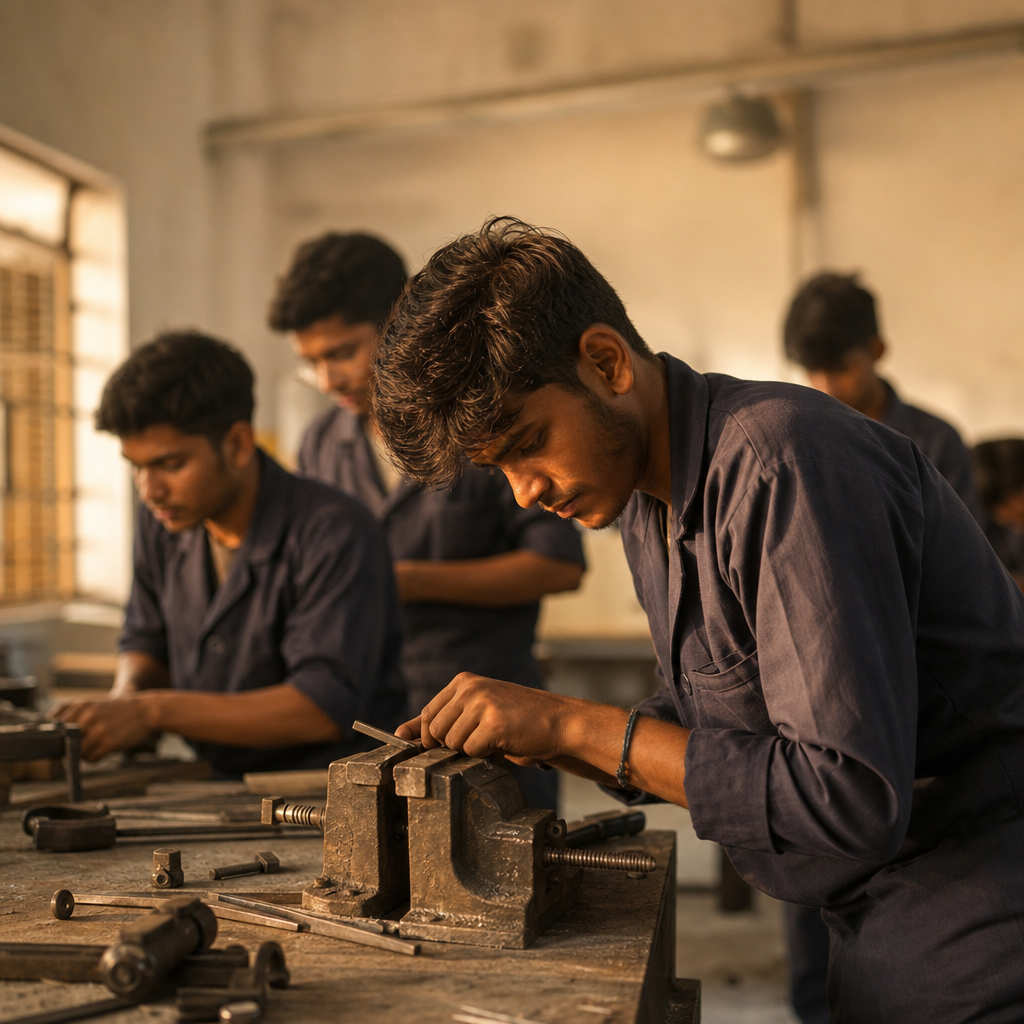
    Industrial Training Institute yeh Ministry of Skill Development ke under aata hai. Course duration 6 mahine se 2 saal tak hoti hai, aur trades mein hoti hai jaise Electrician, Fitter, Welder, Mechanic, CNC Operator. Yeh ek Blue Collar career ki taraf seedha rasta hai jahan haath se kaam karna hi identity hai, aur demand bhi.

    12th ke baad ITI karne ka ek bada fayda yeh hai ki aapki theoretical background already strong hoti hai. Is wajah se companies recruitment mein aise candidates ko preference deti hain jo yeh course karte hai.

    2026 Ka Naya Rule – OJT Mandatory

    DGT (Directorate General of Training) ne March 2026 mein ek important update diya hai. Ab har trainee ke liye 150 ghante ki On-the-Job Training (OJT) compulsory hai. Iska matlab real factory ya workshop mein kaam ka experience ab guaranteed hai  sirf theory nahi, asli machine ke saath practice bhi.

    Yeh ek bahut bada change hai jo is course ki value ko practically aur bhi zyada relevant banata hai real-world jobs ke liye.

    Polytechnic Kya Hota Hai?

    Yeh Diploma in Engineering  hai jo AICTE dwara approved 3-saal ka course hai. Civil, Mechanical, Computer Science, Electronics jaise branches mein theory aur practical dono milte hain. Yahan sirf tools nahi, engineering concepts bhi padhaye jaate hain.

    Polytechnic ka sabse bada edge yeh hai ki iske baad aap B.Tech ke 2nd year mein directly lateral entry le sakte hain. Yani agar future mein full engineering degree chahiye, toh Polytechnic ek shortcut bhi hai.

    Salary Ka Sach

    Shuruat mein dono mein salary kaafi similar hoti hai roughly ₹10,000 se ₹20,000 per month ke beech. Is stage mein koi bada fark nahi dikhta. Lekin aage ka picture alag hai.

    5 se 10 saal baad, Polytechnic holders engineer-grade roles mein pahunchte hain supervisory ya junior engineer positions. ITI holders jo skilled trades mein aage badhte hain chahe overseas work ho, self-employment ho, ya senior technician role woh uss salary ko match ya kabhi kabhi exceed bhi kar sakte hain. Blue Collar skilled workers ki demand globally badhti ja rahi hai.

    ITI ke Fayde

    Agar aap jaldi job chahte hain, ghar ki financial situation pressing hai, ya genuinely hands-on kaam mein interest hai  toh yeh ek smart aur practical choice hai. 1-2 saal mein course complete, aur market mein directly kaam milta hai.

    Electrician, AC mechanic, welder yeh aise trades hain jahan skilled log ki genuine shortage hai, especially Tier-2 aur Tier-3 cities mein. Apna kaam shuru karne ka option bhi openly available hai.

    Polytechnic ke Fayde

    Agar aap engineering field mein long-term career banana chahte hain, ya future mein B.Tech bhi karna ho sakta hai toh yeh zyada suitable hai. Yeh ek structured academic path hai jo aapko technically strong banata hai.

    Companies mein diploma engineers ko supervisor roles, design support, aur field management mein directly recruit kiya jaata hai. Aur agar kabhi mann badla aur degree leni ho lateral entry ka option always open rehta hai.

    Ek Sawaal Khud Se Poochho

    Yeh decision ultimately ek personal sawaal ka jawab hai: “Kya main ek skilled trade career chahta hoon, ya full engineering career?”

    Pehla jawab ITI ki taraf ishara karta hai. Doosra Polytechnic ki taraf. Dono sahi hain  koi ek “better” nahi hai. Bas aapke goal pe depend karta hai. Aur agar abhi goal clear nahi hai, toh apne strengths dekho kya haath se kaam karna pasand hai, ya design aur planning mein interest hai.

    Sources

    1. DGT – Directorate General of Training, Ministry of Skill Development & Entrepreneurship: https://dgt.gov.in

    2. AICTE – All India Council for Technical Education: https://www.aicte-india.org

    3. NCVT – National Council for Vocational Training: https://ncvtmis.gov.in

    For more related articles go to Career Advice